Travelers who prioritize hydration, sleep, food safety, and recovery often enjoy their trips far more because they maintain energy throughout the experience.
Traveling abroad exposes people to new foods, climates, time zones, environments, and routines. While these experiences are part of what makes travel exciting, they can also place unexpected stress on the body. Long flights, disrupted sleep, dehydration, unfamiliar bacteria, and packed itineraries can quickly turn an enjoyable trip into an exhausting one if travelers are not careful.
Staying healthy while traveling abroad does not require extreme caution or constant worry. Most travel health problems are preventable with basic preparation and consistent habits.
Hydration Matters More Than Most Travelers Realize
Dehydration is one of the most common travel-related health issues, especially during long flights and busy sightseeing days. Airplane cabins are extremely dry, and travelers often consume more caffeine, alcohol, or salty foods than usual.
Many travelers mistake dehydration symptoms for jet lag or general fatigue. Headaches, low energy, dizziness, dry skin, and irritability can all worsen when hydration is neglected.
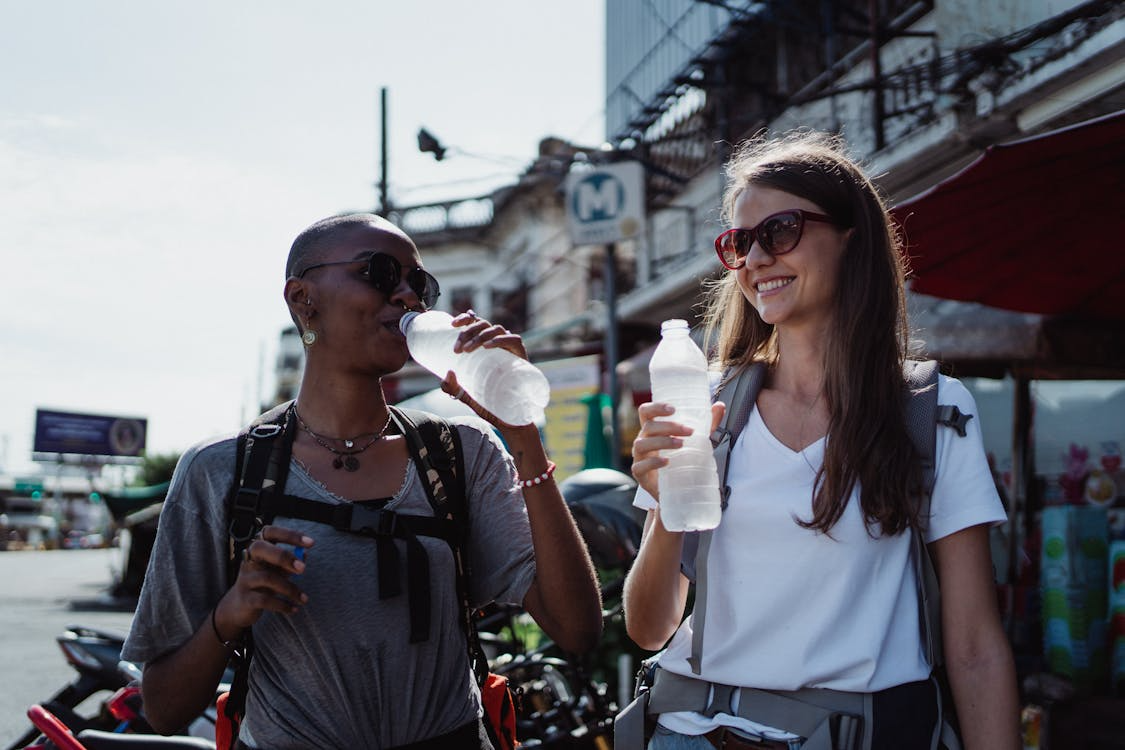
Carrying a reusable water bottle helps maintain consistent hydration during travel days. In destinations where tap water safety is uncertain, travelers should rely on bottled or filtered water instead.
Hot climates, high altitudes, and extensive walking further increase fluid needs. Travelers often underestimate how much physical energy sightseeing actually requires.
Prioritize Sleep and Manage Jet Lag Carefully
Travel schedules often disrupt normal sleep routines, especially during international trips involving major time zone changes. Many travelers try to make the most of every hour abroad, but consistently sacrificing sleep usually backfires quickly.
Jet lag affects people differently, but exhaustion tends to worsen decision-making, mood, digestion, and immune function. Adjusting gradually to local time zones helps reduce these effects.
Natural sunlight exposure is one of the most effective ways to reset the body’s internal clock. Spending time outdoors after arrival helps travelers adapt more quickly to local schedules.
It is also wise to avoid overscheduling the first day after a long international flight. Allowing time for lighter activities, rest, or flexible exploration often creates a much smoother transition than attempting a packed itinerary immediately.
Be Smart About Food and Water Safety
Trying local food is one of the best parts of international travel, but travelers should still use common sense when evaluating food and water safety.
In destinations where the risk of foodborne illness is higher, freshly cooked hot food is generally safer than food that has been sitting out for long periods. Busy restaurants with high customer turnover also tend to be more reliable because food moves quickly through the kitchen.
Street food can be excellent and safe in many countries, but travelers should observe cleanliness, cooking practices, and crowd patterns before eating. Stalls popular with locals often indicate higher quality and freshness.
Raw foods, untreated water, ice, and unwashed produce require extra caution in some destinations. Researching local health recommendations before departure can help travelers understand what precautions are reasonable without becoming overly fearful.
Read What to Pack for Every Climate (Without Overpacking) for practical travel prep.
Keep Basic Health Supplies Accessible
Travelers do not need to carry an entire pharmacy, but having a small health kit can prevent minor problems from becoming major disruptions.
Basic medications for pain relief, allergies, stomach issues, motion sickness, and colds are useful because finding familiar brands abroad can be difficult. Bandages, hand sanitizer, sunscreen, and any prescription medications should also remain easily accessible.
Travel insurance becomes especially important during international trips. Medical treatment abroad can become extremely expensive, particularly if hospitalization or emergency evacuation becomes necessary.
It is also smart to know where reputable pharmacies or medical clinics are located near your accommodations, especially during longer trips.
Avoid Burnout by Slowing Down
One overlooked aspect of travel health is pacing. Many travelers unintentionally create exhausting schedules filled with early mornings, nonstop walking, crowded attractions, and constant movement between destinations.
Physical and mental fatigue can weaken the immune system and make travelers more vulnerable to illness. Building recovery time into the itinerary helps maintain energy throughout the trip.
This may include slower mornings, relaxed meals, park breaks, beach afternoons, or occasional unscheduled evenings. Rest is not wasted vacation time. It helps travelers stay engaged and healthy throughout the trip.
Travelers should also pay attention to physical warning signs. Ignoring exhaustion, dehydration, or illness symptoms often leads to worse problems later.
Ultimately, staying healthy abroad is about balance. Travelers do not need to avoid adventure or spontaneity. They need habits that support energy, recovery, and resilience while navigating unfamiliar environments.
The healthiest travelers are usually not the most cautious. They are the ones who remain flexible, prepared, and attentive to their bodies’ needs throughout the journey.
Learn How to Avoid Tourist Traps (Without Missing the Highlights) for slower, sharper sightseeing.

Jodie Martin is a travel writer focused on practical adventures, cultural experiences, and smart trip planning. Her work blends service-driven advice with immersive storytelling, helping readers navigate everything from budget-friendly European escapes to hidden food markets and off-the-radar destinations. She believes the best trips happen when travelers leave room for spontaneity, local recommendations, and the occasional wrong turn.
When she’s not researching airfare trends or testing carry-on packing strategies, Jodie can usually be found wandering through bookstores, hunting for neighborhood cafés, or planning her next long weekend getaway. Her favorite stories come from the moments between the major landmarks—the quiet streets, family-run restaurants, and conversations that make a destination feel real.