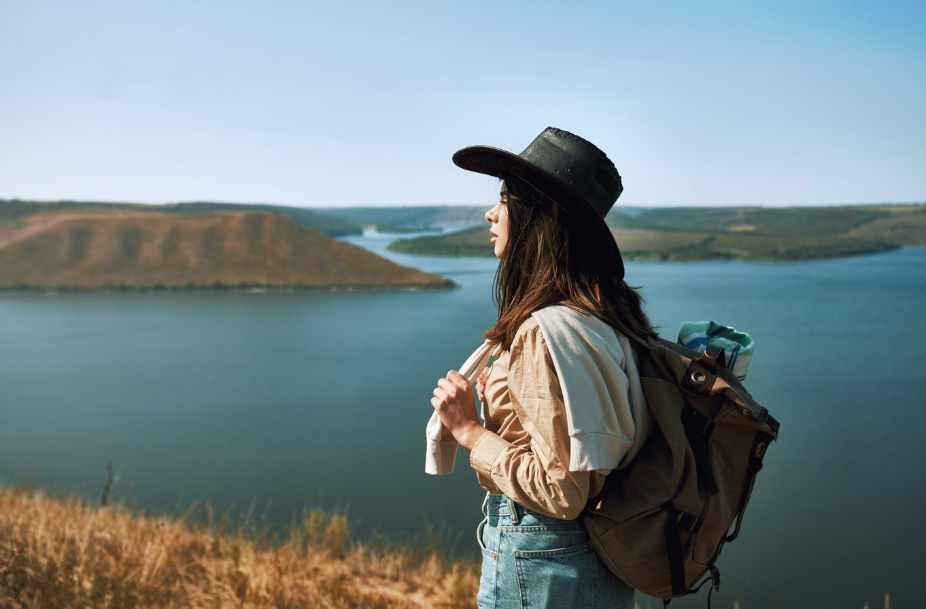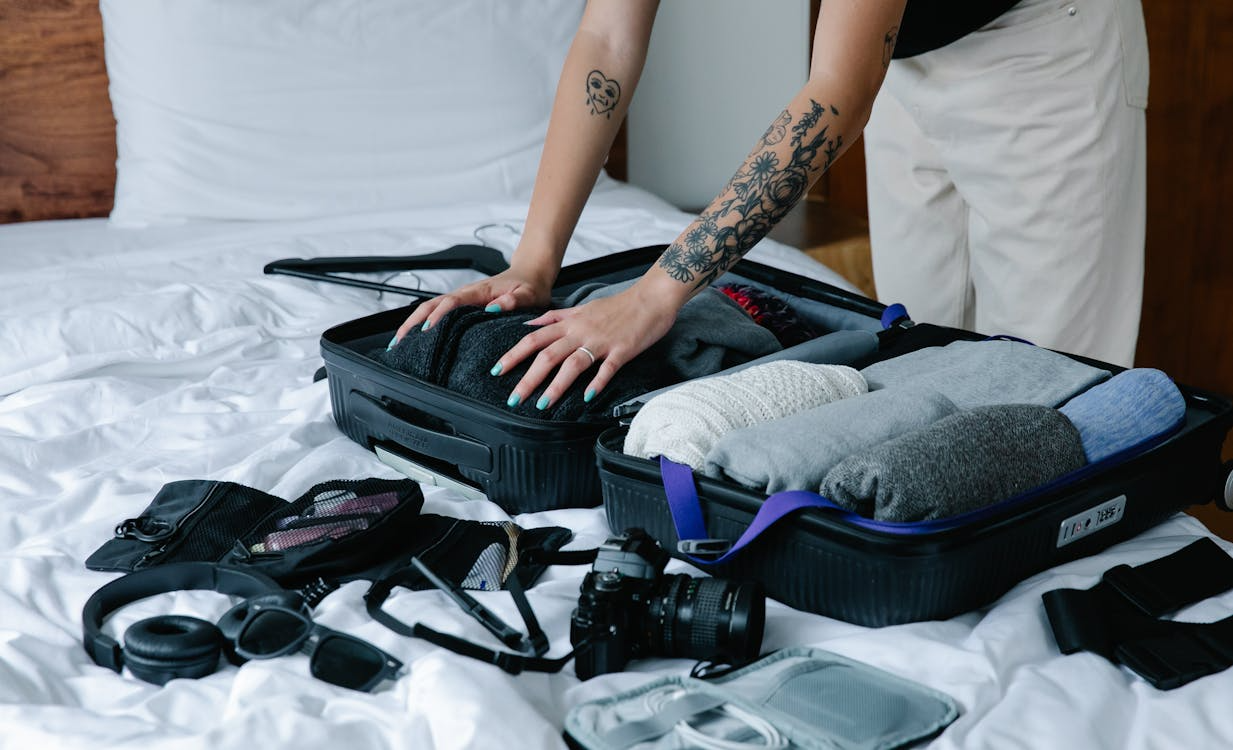
A well-packed suitcase should support the trip, not complicate it. The key to smarter packing is understanding that versatility matters more than quantity.
Packing is one of the most stressful parts of travel for many people. Travelers want to be prepared for changing weather, unexpected situations, and different activities, but that often leads to overpacking. Heavy luggage creates its own problems, from airline baggage fees to the struggle of navigating airports, train stations, stairs, and crowded streets.
Most travelers wear far fewer items than they expect during a trip. Packing efficiently means selecting adaptable clothing and planning around climate conditions without preparing for every unlikely scenario.
Pack for Layers Instead of Specific Temperatures
One of the biggest packing mistakes is building outfits around exact weather forecasts. Forecasts change quickly, especially during longer trips or in regions with unpredictable conditions.
Instead of packing entirely separate outfits for hot, cold, rainy, or mild weather, travelers should focus on lightweight layers that work together across a range of temperatures.
For cooler climates, layering is far more efficient than carrying bulky clothing. A lightweight base layer, sweater, and compact jacket often provide more flexibility than packing heavy coats alone. Layers also allow travelers to adjust throughout the day as temperatures shift.
Even warm destinations can become cool at night, especially near oceans, mountains, or desert regions. Carrying at least one light outer layer is almost always useful regardless of destination.
Choose Neutral and Interchangeable Clothing
Overpacking usually happens when travelers pack too many highly specific outfits. Clothing that only works in one combination quickly takes up valuable space.
Neutral colors and interchangeable pieces simplify packing dramatically. Travelers can create multiple outfit combinations from fewer items while keeping a suitcase cleaner and more organized.
Comfort also matters more than travelers sometimes expect. Long walking days, transportation delays, and varying climates make comfortable shoes and breathable fabrics far more important than having a large number of outfit choices.
Many experienced travelers follow a simple rule: if an item cannot work with multiple outfits or situations, it probably does not need to come.
Laundry access also changes packing strategy. Travelers staying in vacation rentals, extended-stay hotels, or destinations with affordable laundry services can pack significantly lighter than they initially assume.
Adapt Your Packing to Different Climate Types
Different climates create different packing priorities, but most situations still benefit from simplicity.
In hot, humid climates, lightweight, breathable fabrics are essential. Moisture-wicking clothing, comfortable walking shoes, sunglasses, sunscreen, and hats become more important than large wardrobes.
Cold-weather destinations require better layering systems, thermal protection, and weather-resistant footwear. Travelers should prioritize warmth over efficiency when packing multiple heavy sweaters or jackets.
Rainy climates benefit from compact waterproof layers instead of bulky umbrellas or heavy rain gear. Lightweight rain jackets and quick-dry clothing often work better for active travel.
Destinations with rapidly changing conditions, such as mountain regions or shoulder-season travel, require the most versatility. Layering becomes especially valuable in these environments because temperatures may fluctuate dramatically throughout the day.
Explore Where to Go for a Winter Sun Escape (Beyond Florida) for warm-weather escapes.
Limit “Just in Case” Packing
One of the biggest causes of overpacking is fear. Travelers imagine unlikely situations and pack extra items “just in case.” Most of these items never leave the suitcase.
Extra shoes, backup outfits, multiple jackets, excessive toiletries, and large accessory collections often add unnecessary weight without improving the trip.
It helps to remember that most destinations have stores. Forgotten items, weather changes, or unexpected needs can usually be handled during the trip.
This mindset shift makes packing much easier. Instead of trying to prepare for every possibility, travelers can focus on the most likely scenarios.
Lighter luggage also creates practical advantages beyond convenience. Travelers move more quickly, avoid checked baggage fees more easily, and experience less physical stress throughout the journey.
Keep Essentials Accessible and Organized
Good packing is not only about reducing quantity. Organization matters too. Frequently used items should remain easy to access during flights and transit days.
Travel documents, medications, chargers, toiletries, and one change of clothing should ideally stay in carry-on luggage whenever possible. Delayed or lost checked bags become far less disruptive when essentials remain accessible.
Packing cubes, compression bags, or simple organizational pouches also help maintain order during longer trips. Organized luggage reduces frustration and prevents travelers from constantly unpacking entire suitcases to locate basic items.
Ultimately, the best packing strategy is one that supports flexibility. Travelers rarely regret packing lighter once the trip begins. They usually regret carrying too much.
A carefully packed bag creates freedom. It allows travelers to move more comfortably, adapt more easily, and focus less on their luggage and more on the experience itself.
Read The Hidden Fees That Can Ruin a ‘Cheap’ Flight for baggage cost planning.

Jodie Martin is a travel writer focused on practical adventures, cultural experiences, and smart trip planning. Her work blends service-driven advice with immersive storytelling, helping readers navigate everything from budget-friendly European escapes to hidden food markets and off-the-radar destinations. She believes the best trips happen when travelers leave room for spontaneity, local recommendations, and the occasional wrong turn.
When she’s not researching airfare trends or testing carry-on packing strategies, Jodie can usually be found wandering through bookstores, hunting for neighborhood cafés, or planning her next long weekend getaway. Her favorite stories come from the moments between the major landmarks—the quiet streets, family-run restaurants, and conversations that make a destination feel real.