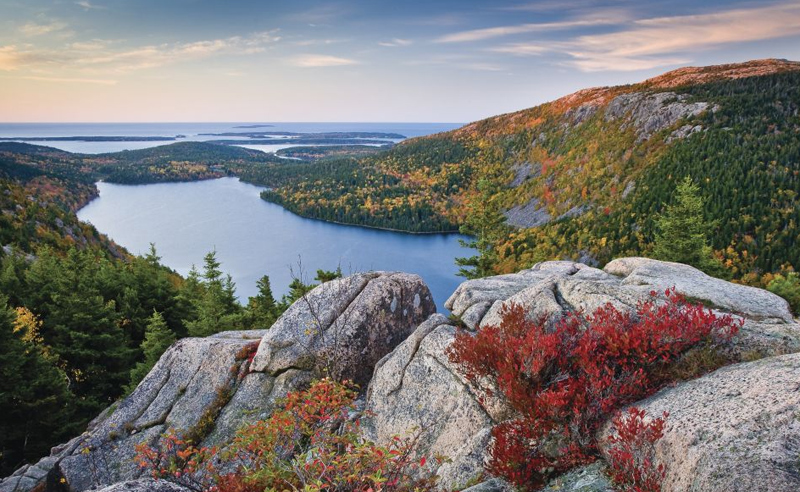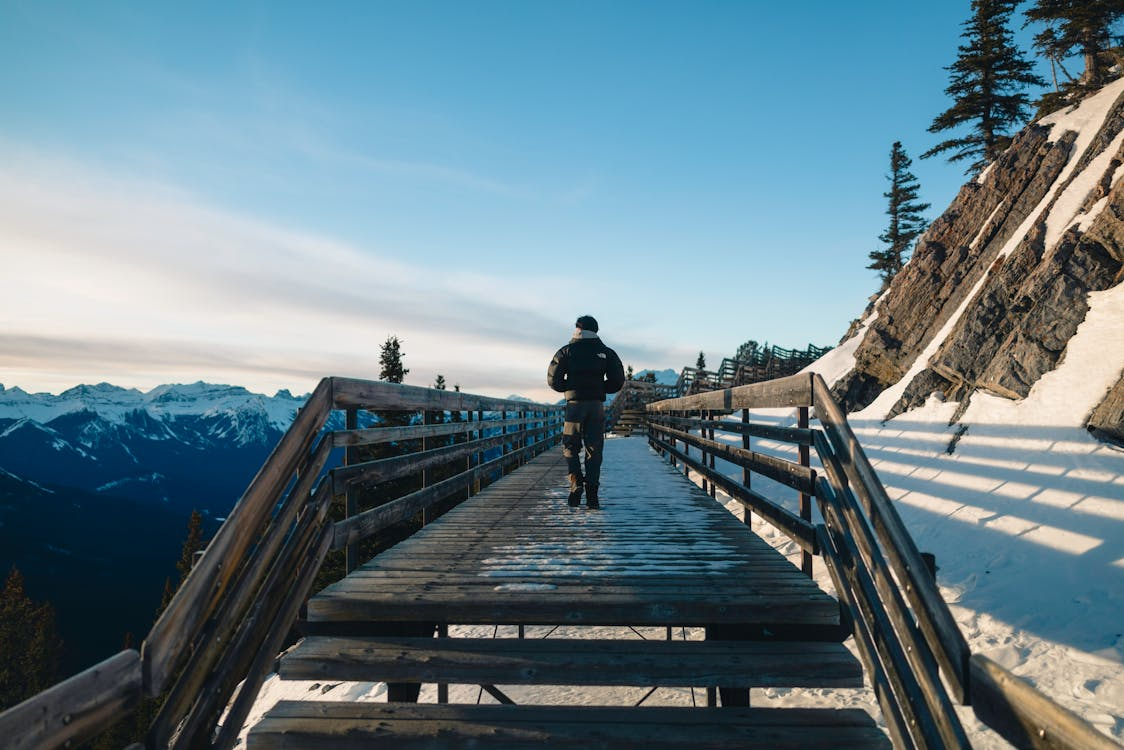
The best national parks in the world combine natural beauty with thoughtful pacing. These destinations reward travelers who slow down enough to absorb the environment rather than rushing from viewpoint to viewpoint.
Some national parks are beautiful additions to a larger trip. Others are so extraordinary that they become the reason for the journey itself. Around the world, certain protected landscapes offer scenery and experiences so unique that travelers willingly build entire itineraries around them.
These parks showcase the planet’s diversity at its most dramatic: towering mountains, volcanic terrain, wildlife migrations, glaciers, rainforests, deserts, fjords, and coral ecosystems. Beyond the scenery itself, many national parks also provide opportunities for hiking, photography, wildlife viewing, road trips, and cultural exploration.
Banff National Park Defines Mountain Scenery in North America
Banff National Park has become one of the world’s most iconic mountain destinations for good reason.
Located in the Canadian Rockies, the park combines turquoise lakes, glacier-fed rivers, pine forests, dramatic peaks, and wildlife into landscapes that often feel unreal in person.
Lake Louise and Moraine Lake attract global attention, but the broader park offers countless scenic drives, hiking trails, and quieter areas beyond the most photographed viewpoints.
The Icefields Parkway connecting Banff and Jasper National Parks ranks among the world’s great road trip routes. Travelers pass glaciers, waterfalls, alpine lakes, and sweeping mountain valleys throughout the drive.
Summer offers hiking and lake access, while winter transforms the region into a major skiing destination.
Because tourism has grown substantially, travelers benefit from planning accommodations and park access well in advance.
Serengeti National Park Delivers One of Earth’s Greatest Wildlife Experiences
The Serengeti is less about scenery alone and more about witnessing one of nature’s most extraordinary ecosystems in motion.
The park is globally famous for the Great Migration, where millions of wildebeest, zebras, and other animals move across East Africa’s grasslands in search of fresh grazing.
Wildlife viewing remains exceptional year-round, including lions, elephants, cheetahs, giraffes, and countless bird species.
Unlike zoo-style wildlife encounters, the Serengeti feels vast and untamed. The scale of the landscape itself becomes part of the emotional impact.
Safari experiences vary widely depending on season, budget, and accommodation style. Some travelers choose luxury lodges, while others prioritize mobile camps that follow migration patterns more closely.
Pairing the Serengeti with nearby destinations such as the Ngorongoro Crater or Zanzibar creates particularly balanced itineraries.
Fiordland National Park Feels Almost Prehistoric
Fiordland National Park on New Zealand’s South Island delivers some of the most dramatic natural scenery in the Southern Hemisphere.
Massive fjords, waterfalls, rainforest-covered cliffs, misty mountains, and remote hiking trails create landscapes that often feel untouched by modern civilization.
Milford Sound remains the park’s most famous attraction, though nearby Doubtful Sound offers an even more remote and less crowded experience.
The region receives enormous rainfall, which intensifies the dramatic atmosphere rather than diminishing it. Waterfalls multiply during storms, and shifting weather constantly changes the visual character of the fjords.
Fiordland also appeals strongly to hikers. Multi-day routes such as the Milford Track rank among the world’s most respected trekking experiences.
Travelers should prepare carefully for changing weather conditions and remote logistics.
Torres del Paine National Park Rewards Adventurous Travelers
Patagonia’s Torres del Paine National Park has become a bucket-list destination for travelers drawn to rugged landscapes and long-distance hiking.
The park combines jagged granite peaks, glaciers, turquoise lakes, grasslands, and powerful winds into scenery that feels raw and immense.
The famous W Trek and O Circuit attract hikers from around the world, though shorter day hikes also provide access to extraordinary viewpoints.
Wildlife sightings may include guanacos, condors, foxes, and occasionally pumas.
Patagonia’s weather changes rapidly, often cycling through sunshine, rain, and intense wind within a single day. Travelers who prepare properly tend to appreciate this unpredictability as part of the experience itself.
Because of the park’s growing popularity, reservations for accommodations and campsites often require significant planning during peak season.
Explore The Coolest Mountain Towns in the U.S. for Year-Round Travel for mountain-focused escapes.
Great National Parks Change Travel Perspective
One reason national parks create such memorable travel experiences is that they shift attention away from urban routines and digital overload.
Travelers become more aware of weather, geography, wildlife, physical movement, and changing light conditions. Time often feels slower and more grounded inside major natural landscapes.
National park trips also encourage different kinds of memories. Instead of focusing primarily on attractions or schedules, travelers remember atmosphere, scale, silence, and sensory experiences.
This emotional reset explains why nature-focused travel continues growing globally.
Lesser-Known Parks Often Feel Even More Rewarding
While famous parks dominate travel lists, lesser-known national parks frequently provide equally impressive experiences with fewer crowds.
Places like Triglav National Park, Aoraki / Mount Cook National Park, and Namib-Naukluft National Park quietly deliver extraordinary scenery without the tourism intensity of more famous destinations.
These parks often allow travelers to experience solitude and immersion more deeply.
The world’s greatest national parks are not simply beautiful places to photograph. They are environments that change how travelers feel as they move through them.
Some destinations entertain. The best national parks leave travelers humbled.
Read Where to Travel in 2026 Based on Emerging Trends for less obvious trip picks.

Lily Phillips writes about travel through the lens of experience, atmosphere, and connection. She specializes in destination guides, wellness-focused travel, solo adventures, and slow travel itineraries designed to help readers see more by doing less. Her approach combines practical planning with a strong sense of place, encouraging travelers to move beyond checklist tourism and into more meaningful experiences.
Over the years, Lily has explored everything from coastal road trips and mountain towns to bustling global cities and quiet digital detox retreats. She’s especially drawn to destinations with strong local culture, walkable neighborhoods, and unforgettable food scenes. Whether she’s covering seasonal festivals, hidden beaches, or the best cities for solo travelers, her goal is always the same: helping readers travel with curiosity and confidence.