Some emerging travel destinations in 2026 are entirely new to international travelers, while others are well-known countries gaining attention for lesser-explored regions beyond their famous hotspots.
Travel trends change constantly, but certain destinations begin gaining momentum long before they become fully mainstream. Shifting airline routes, social media exposure, remote work culture, infrastructure investments, and changing traveler priorities all influence where people choose to go next.
In 2026, travelers are increasingly seeking destinations that combine strong cultural experiences with affordability, walkability, access to nature, and lower tourism pressure. Many travelers also want slower, more immersive trips rather than packed sightseeing schedules.
Albania Continues Rising as a Mediterranean Alternative
Albania has quietly become one of Europe’s fastest-rising travel destinations.
Travelers seeking Mediterranean coastlines without the overwhelming crowds or prices of Italy and Greece are increasingly discovering Albania’s Riviera region. Coastal towns such as Ksamil, Himarë, and Sarandë offer turquoise waters, mountain scenery, and dramatically lower costs than in many neighboring countries.
The country’s growing tourism infrastructure has improved accessibility while still preserving a relatively undiscovered atmosphere in many regions.
Beyond the coastline, cities like Tirana and Berat attract travelers interested in food culture, Ottoman-era architecture, and Balkan history.
One reason Albania resonates strongly in 2026 is value. Travelers often find accommodations, dining, and transportation significantly more affordable than in Western Europe while still enjoying beautiful scenery and strong hospitality.
Japan Is Expanding Beyond Tokyo and Kyoto
Japan has remained globally popular for years, but traveler behavior inside the country is evolving noticeably.
Instead of focusing exclusively on Tokyo, Kyoto, and Osaka, more travelers are exploring secondary cities and rural regions. Improved regional rail access and growing interest in slower travel experiences are driving this shift.
Destinations such as Kanazawa, Fukuoka, Takayama, and parts of Hokkaido are seeing rising international attention for their balance of culture and food, and their lower tourism density.
Japan also aligns well with several major 2026 travel trends: walkable cities, efficient transportation, solo-travel friendliness, and strong regional identity.
Travelers increasingly seek experiences tied to local craftsmanship, regional cuisine, onsen culture, and smaller traditional towns rather than only famous landmarks.
Portugal Keeps Evolving Beyond Lisbon
Portugal has already experienced years of rising tourism, but the trend continues evolving geographically.
While Lisbon and Porto remain extremely popular, more travelers are branching into smaller regions such as the Alentejo coast, the Douro Valley, Braga, and the Azores.
Portugal appeals strongly because it combines safety, relatively affordable prices, excellent food, scenic diversity, and a relaxed pace.
Remote workers and long-stay travelers, in particular, continue to gravitate toward Portugal because of the quality of its infrastructure and overall lifestyle appeal.
The country’s smaller towns and coastal regions increasingly attract travelers seeking slower experiences centered around wine, food, nature, and walkability rather than nonstop urban tourism.
Portugal’s ability to satisfy both luxury travelers and budget-conscious travelers simultaneously keeps it highly competitive in 2026.
Vietnam Benefits From Affordable Experiential Travel
Experiential travel continues gaining momentum, and Vietnam fits that trend exceptionally well.
Travelers increasingly prioritize immersive food culture, local markets, train journeys, motorbike routes, and regional exploration over traditional resort-heavy tourism. Vietnam delivers all of those experiences while remaining relatively affordable for international visitors.
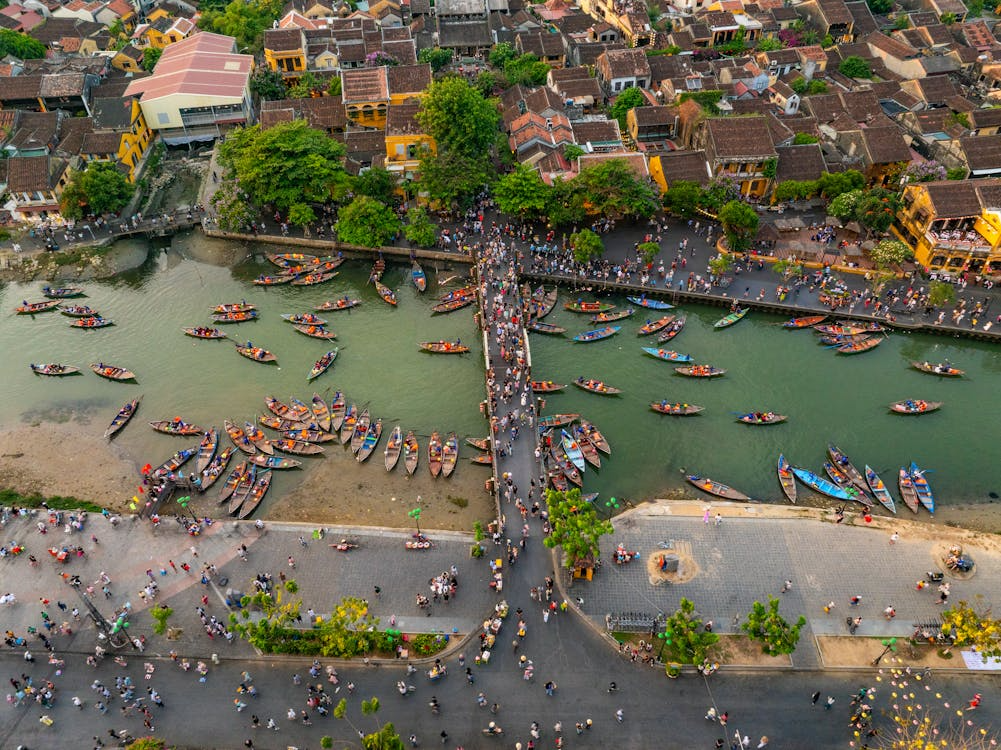
Cities like Hanoi and Ho Chi Minh City remain major entry points, but travelers are increasingly exploring destinations such as Da Nang, Hội An, Sapa, and Ha Giang.
Vietnam’s street food culture, dramatic landscapes, and strong café scene continue attracting younger travelers and long-term digital nomads alike.
The country also benefits from growing international flight connectivity and increased global visibility across travel media and social platforms.
Explore Best Food Cities in the World (and What to Eat There) for food travel picks.
Nature-Focused Travel Keeps Expanding
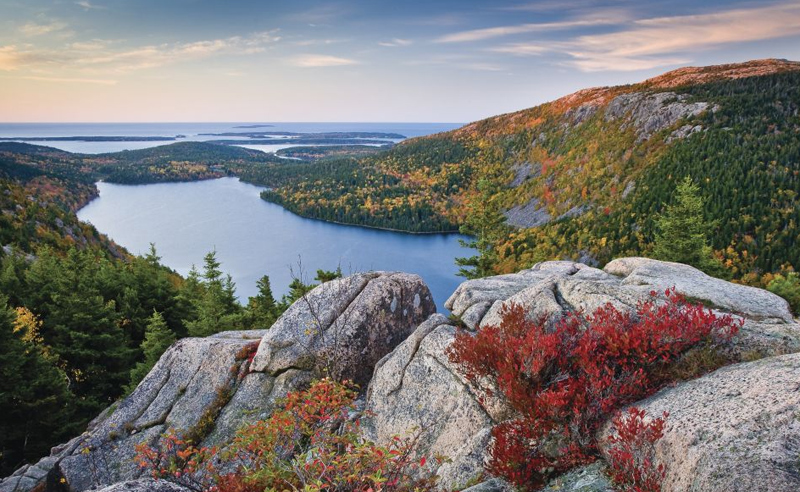
Another major 2026 trend involves travelers prioritizing scenery, outdoor access, and lower-density destinations.
Countries with strong national park systems, coastal road trips, hiking culture, or eco-tourism infrastructure continue gaining popularity.
This trend benefits destinations such as New Zealand, Norway, Costa Rica, Slovenia, and parts of Canada.
Travelers increasingly want vacations that feel restorative rather than exhausting. Scenic train routes, mountain towns, coastal villages, and slower itineraries align strongly with this shift.
Even within heavily visited countries, travelers are increasingly choosing smaller regions over major capitals whenever possible.
Travelers Are Prioritizing Experience Over Checklist Tourism
One of the clearest travel trends in 2026 is a growing rejection of rushed “highlight chasing.”
Many travelers now prioritize atmosphere, local culture, food, pacing, and emotional experience over simply collecting famous landmarks. This shift helps smaller destinations gain visibility because travelers are seeking authenticity and personal connection rather than just iconic photo opportunities.
Destinations that combine affordability, cultural depth, walkability, and scenic appeal are particularly well-positioned for continued growth.
Social media still heavily influences travel decisions, but travelers are becoming more aware of overtourism and actively seeking alternatives to overcrowded hotspots.
The most exciting destinations in 2026 are not necessarily the ones dominating headlines. They are often the places quietly delivering memorable experiences before mass tourism fully arrives.
Read Europe’s Most Beautiful Small Cities You’ve Never Heard Of for less-crowded city escapes.

Lily Phillips writes about travel through the lens of experience, atmosphere, and connection. She specializes in destination guides, wellness-focused travel, solo adventures, and slow travel itineraries designed to help readers see more by doing less. Her approach combines practical planning with a strong sense of place, encouraging travelers to move beyond checklist tourism and into more meaningful experiences.
Over the years, Lily has explored everything from coastal road trips and mountain towns to bustling global cities and quiet digital detox retreats. She’s especially drawn to destinations with strong local culture, walkable neighborhoods, and unforgettable food scenes. Whether she’s covering seasonal festivals, hidden beaches, or the best cities for solo travelers, her goal is always the same: helping readers travel with curiosity and confidence.