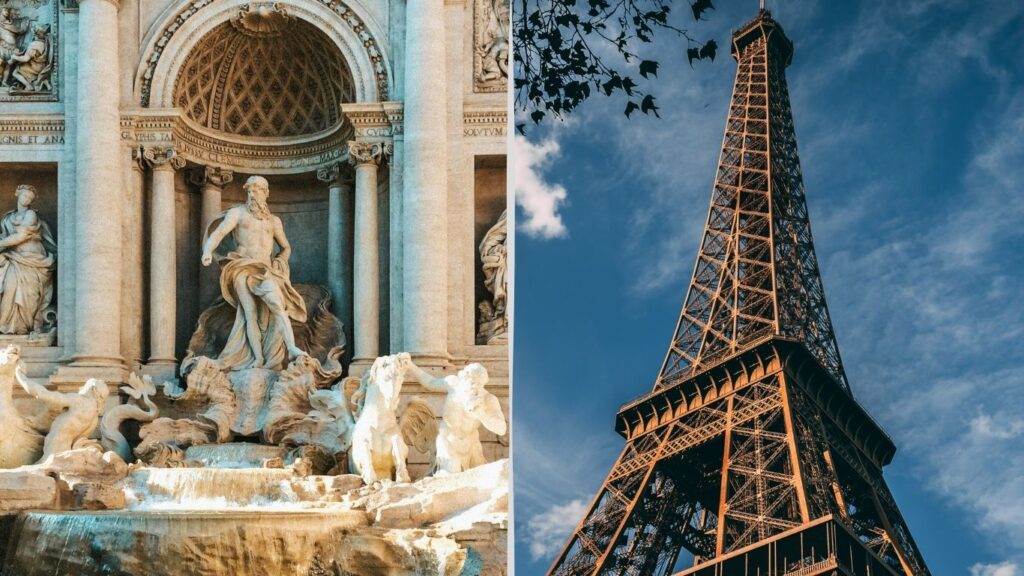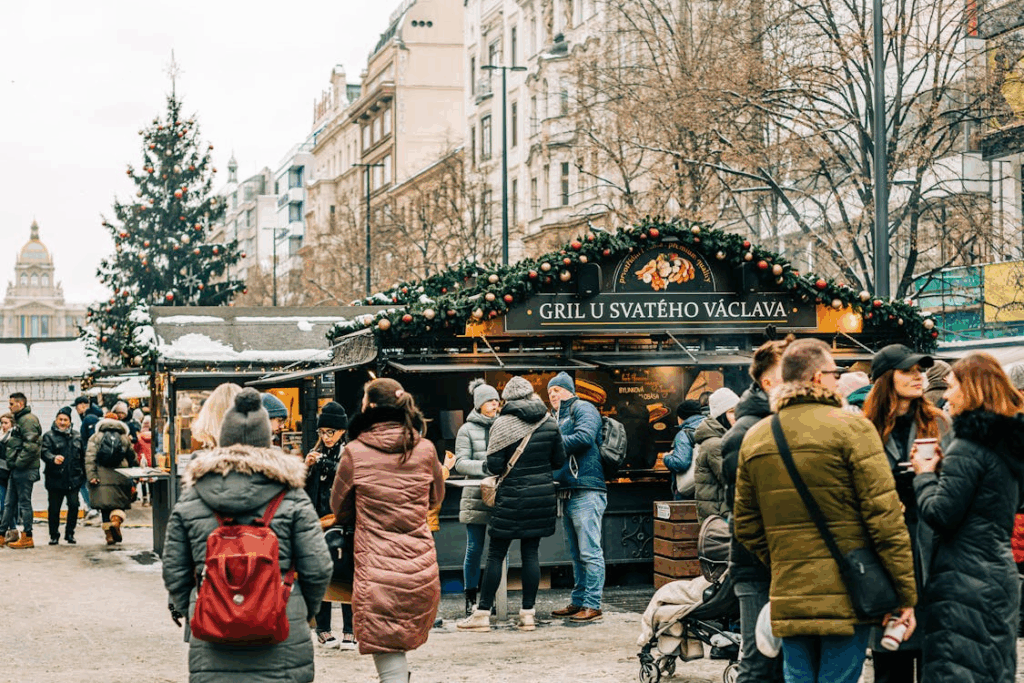
While personal taste always influences which cities resonate most, several destinations consistently stand out for their artistic depth, historical importance, and cultural atmosphere.
Some cities are built around commerce, politics, or nightlife. Others feel shaped by creativity itself. For travelers who love museums, galleries, architecture, and artistic history, certain destinations offer an almost endless concentration of cultural experiences within a relatively compact space.
The best cities for art and museum lovers balance famous institutions with local creative energy. Travelers can spend mornings inside world-renowned museums and evenings discovering independent galleries, street art, live performances, or neighborhood studios. Great art destinations reward both structured sightseeing and spontaneous wandering.
Paris Remains One of the World’s Great Art Capitals
Paris has shaped global art history for centuries, and few cities rival its concentration of museums and artistic landmarks.
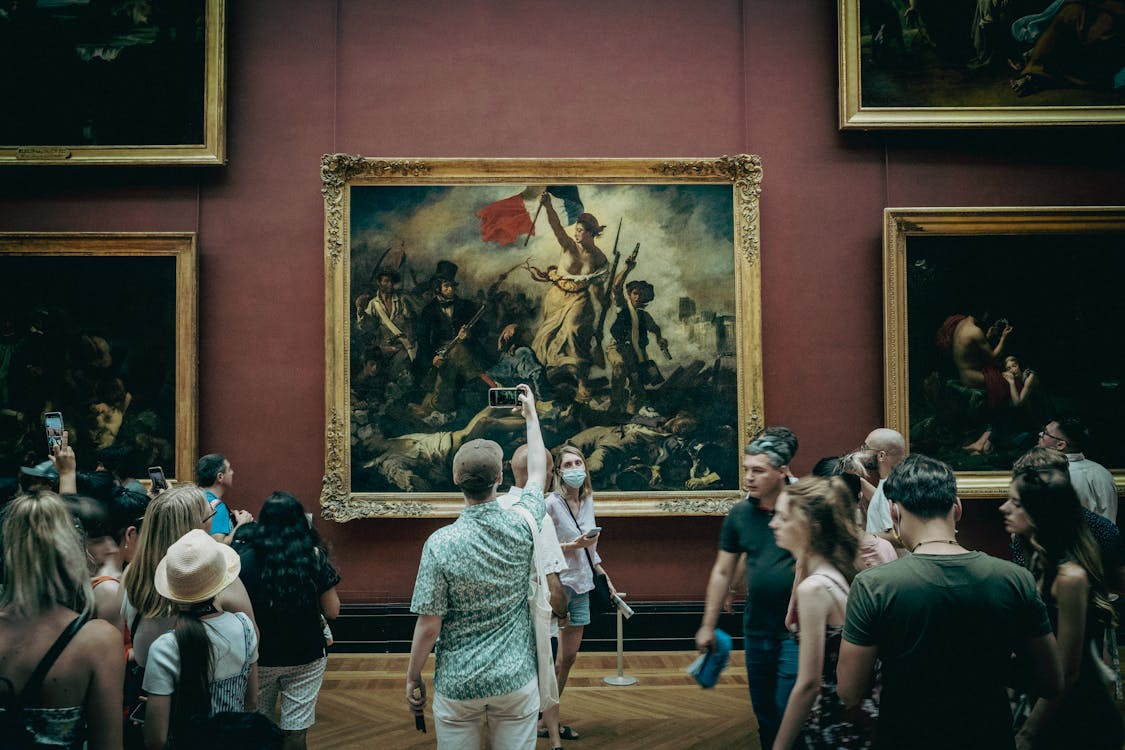
The Louvre Museum alone could occupy travelers for multiple days, housing works spanning ancient civilizations through the Renaissance and beyond. Yet Paris extends far beyond the Louvre.
The Musée d’Orsay offers one of the world’s finest Impressionist collections, while the Centre Pompidou showcases modern and contemporary art in a dramatically different architectural setting.
Neighborhoods themselves also contribute to the city’s artistic atmosphere. Montmartre, Le Marais, and Saint-Germain-des-Prés remain closely associated with generations of painters, writers, and intellectuals.
Paris rewards slow pacing. Café culture, architecture, bookstores, and riverside walks become part of the artistic experience itself.
Florence Feels Like an Open-Air Renaissance Museum
Florence offers one of the world’s most concentrated collections of Renaissance art and architecture.
The city itself played a central role in shaping Western artistic history, and travelers encounter that legacy constantly as they walk through its streets.
The Uffizi Gallery contains masterpieces from Botticelli, Leonardo da Vinci, Michelangelo, and Raphael, while the Accademia Gallery houses Michelangelo’s David.
Yet Florence’s atmosphere extends beyond museums. Churches, piazzas, bridges, and even ordinary streets reflect centuries of artistic influence.
Because the historic center remains relatively compact, travelers can move naturally between major sites without exhausting transportation logistics.
Florence also works especially well for travelers interested in the relationship between art, history, craftsmanship, and urban design.
New York City Balances Classical and Contemporary Creativity
New York’s art scene feels vast, energetic, and constantly evolving.
The city combines globally important museums with thriving contemporary gallery districts and street-level creative culture. Travelers can explore ancient artifacts at the Metropolitan Museum of Art and cutting-edge installations in Chelsea galleries within the same day.
The Museum of Modern Art remains one of the world’s defining modern art institutions, while the Solomon R. Guggenheim Museum merges architecture and exhibition design into one experience.
Street art and public art also heavily shape the city, particularly in Brooklyn and Lower Manhattan.
One reason New York strongly appeals to art lovers is its variety. Few cities offer such a broad range of artistic movements, media, and cultural influences simultaneously.
Madrid Offers One of Europe’s Strongest Museum Clusters
Madrid sometimes receives less international attention for art than Paris or Florence, but the city contains one of Europe’s greatest concentrations of museums.
The Museo del Prado houses extraordinary works from Velázquez, Goya, El Greco, and other Spanish masters. Nearby, the Museo Reina Sofía features modern works, including Picasso’s Guernica.
The Thyssen-Bornemisza National Museum completes a remarkable trio of museums that span multiple artistic eras and styles in proximity.
Madrid also balances museum culture with a highly social urban life. Travelers move naturally between galleries, tapas bars, plazas, and parks throughout the day.
Compared to some other European capitals, Madrid often feels slightly less overwhelming while still offering world-class cultural depth.
Explore Where to Travel If You Love Architecture for more travel destinations.
Great Art Cities Encourage Slower Travel
Art-focused travel naturally changes pacing.
Instead of rushing through landmarks, travelers spend longer periods observing details, reflecting, and moving gradually through neighborhoods and institutions. Museum cafés, bookstores, architecture, and public spaces become part of the overall experience rather than interruptions between attractions.
This slower rhythm often creates a deeper emotional connection to destinations.
Art cities also reward repeat visits because no traveler can fully experience them in a single trip. Travelers frequently return with different priorities, interests, or artistic perspectives.
Smaller Art Destinations Often Surprise Travelers
While major capitals dominate most art discussions, smaller cities often provide extraordinary cultural experiences with lighter crowds and stronger local identity.
Places like Bilbao, Vienna, and Antwerp combine major artistic heritage with more manageable urban pacing.
These cities frequently allow travelers to engage more deeply with local culture rather than focusing only on blockbuster museum checklists.
The world’s best art cities do more than display famous works. They shape how travelers observe, think, and experience a place itself.
For many travelers, the most memorable moments happen not only inside museums, but while walking back out into the city afterward.
Read Europe’s Most Beautiful Small Cities You’ve Never Heard Of for quieter cultural destinations.

Jodie Martin is a travel writer focused on practical adventures, cultural experiences, and smart trip planning. Her work blends service-driven advice with immersive storytelling, helping readers navigate everything from budget-friendly European escapes to hidden food markets and off-the-radar destinations. She believes the best trips happen when travelers leave room for spontaneity, local recommendations, and the occasional wrong turn.
When she’s not researching airfare trends or testing carry-on packing strategies, Jodie can usually be found wandering through bookstores, hunting for neighborhood cafés, or planning her next long weekend getaway. Her favorite stories come from the moments between the major landmarks—the quiet streets, family-run restaurants, and conversations that make a destination feel real.