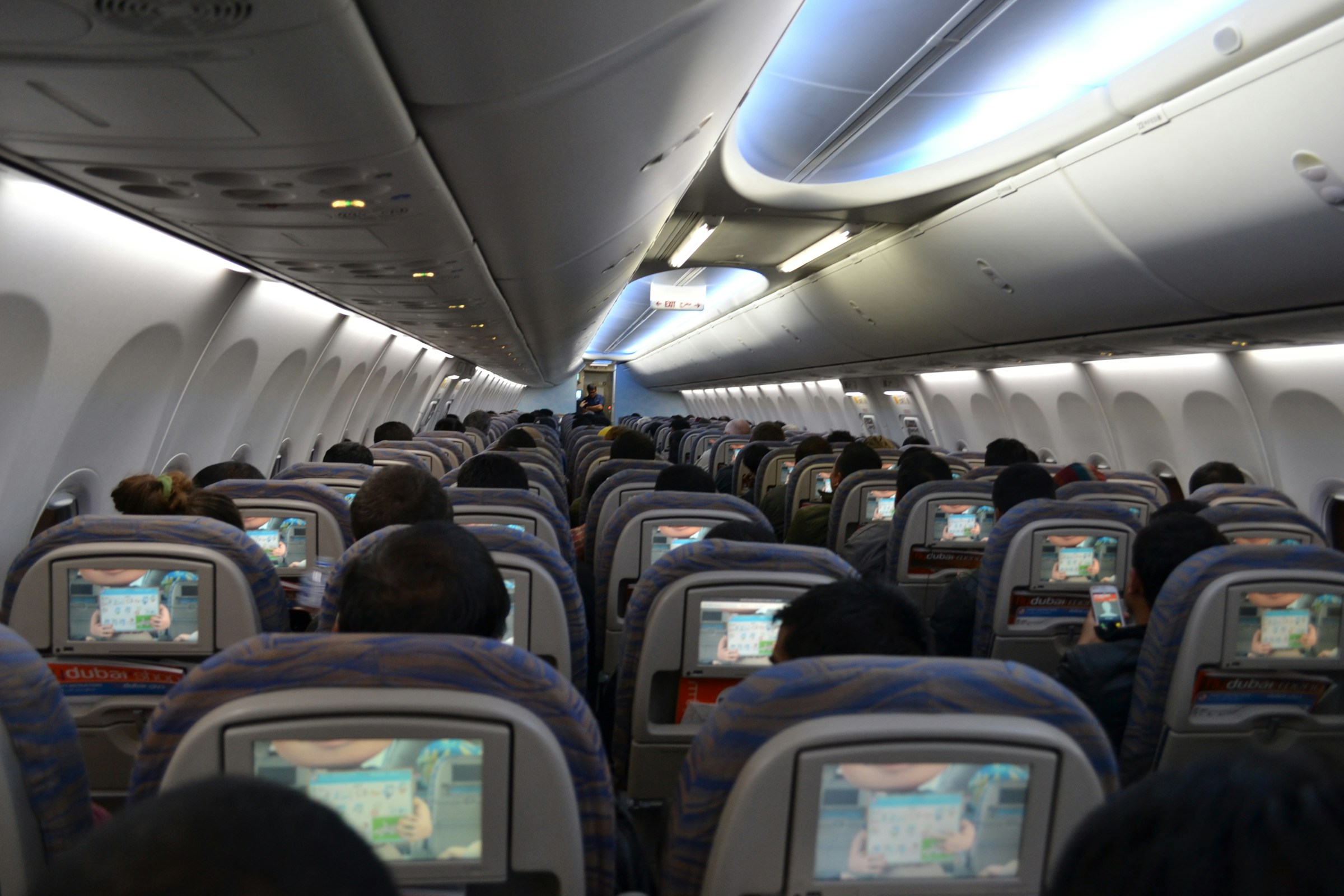
Long flights and drawn-out layovers have a way of leaving even seasoned travelers feeling drained. Dry cabin air, limited movement, and disrupted sleep can take a toll before you’ve even reached your destination. The good news is that a few simple adjustments can make a noticeable difference in how you feel when you land.
Travel wellness is less about rigid routines and more about adapting to the environment around you. Airplanes and airports are not exactly designed for comfort, but with a bit of planning, you can work with the conditions instead of against them. Whether you are facing an overnight flight or a multi-hour layover, small habits can help you arrive feeling far more like yourself.
Movement, Hydration, and the Basics That Matter Most
One of the biggest challenges of flying is how little we move. Sitting for hours slows circulation and leads to stiffness, particularly in the legs and lower back. Even subtle movement can help counteract that. Rotating your ankles, flexing your feet, and shifting your posture throughout the flight encourages blood flow and reduces swelling.
When it is safe to stand, taking a short walk down the aisle or stretching near the galley can go a long way. Many travelers underestimate how important this is, but regular movement is one of the simplest ways to reduce discomfort and lower the risk of issues like deep vein thrombosis on long-haul flights.
Hydration is just as critical. Airplane cabins typically maintain humidity levels between about 10 and 20 percent, which is far drier than most climates on the ground. That dryness can lead to fatigue, headaches, and general sluggishness. Drinking water consistently throughout your flight helps offset this, and starting well before takeoff makes a difference too.
Bringing your own reusable water bottle ensures you always have access to water, especially on longer flights. Electrolytes can also be helpful, particularly when crossing time zones or traveling to a different climate. At the same time, it helps to be mindful of alcohol and caffeine, both of which can contribute to dehydration if overdone.
Rest, Stress, and Making the Most of the Journey
Sleep is often the most elusive part of long-distance travel. Airplanes are not built for quality rest, but a few thoughtful choices can improve your chances. Light plays a significant role in how your body adjusts, so blocking it out with a proper sleep mask can help signal that it is time to rest. Some travelers also find that limiting screen exposure before trying to sleep makes it easier to settle in.
Temperature is another factor that is easy to overlook. Cabin conditions can shift quickly, so wearing layers allows you to adjust without much effort. A light blanket or scarf can add an extra layer of comfort, especially on overnight flights.
Noise, too, has a bigger impact than many people realize. Even if it does not fully wake you, constant background sound can prevent deeper, restorative sleep. Earplugs or noise-canceling headphones can make a noticeable difference in how rested you feel when you arrive.
Beyond the physical aspects, travel can also be mentally taxing. Delays, crowded terminals, and the unpredictability of flying can create stress, particularly on longer journeys. Simple mindfulness techniques can help you stay grounded in the moment. Slow, controlled breathing or a quick body scan can ease tension and shift your focus away from frustration.
Layovers, especially longer ones, offer a chance to reset. Many airports now include quiet spaces, walking paths, or even wellness rooms designed for stretching or meditation. Taking a short walk, finding a calm corner, or simply stepping away from the busiest areas can help break up the monotony of travel.
Ultimately, staying well while traveling is not about doing everything perfectly. It is about paying attention to what your body needs and responding in small, consistent ways. A bit more movement, a bit more water, and a bit more intention can transform how you feel when you reach your destination.

Jodie Martin is a travel writer focused on practical adventures, cultural experiences, and smart trip planning. Her work blends service-driven advice with immersive storytelling, helping readers navigate everything from budget-friendly European escapes to hidden food markets and off-the-radar destinations. She believes the best trips happen when travelers leave room for spontaneity, local recommendations, and the occasional wrong turn.
When she’s not researching airfare trends or testing carry-on packing strategies, Jodie can usually be found wandering through bookstores, hunting for neighborhood cafés, or planning her next long weekend getaway. Her favorite stories come from the moments between the major landmarks—the quiet streets, family-run restaurants, and conversations that make a destination feel real.