Great architecture cities also reward slow observation. Details emerge gradually through light, texture, proportion, and movement through space rather than through rushed sightseeing alone.
Architecture shapes how travelers experience a destination long before they enter museums or attractions. Streets, skylines, temples, cathedrals, bridges, public squares, and neighborhoods all communicate history, culture, religion, politics, and artistic identity through physical design.
For architecture lovers, travel becomes a way to move through centuries of human creativity. The best cities for architecture lovers reveal layers of history through preserved buildings, bold contemporary design, and everyday urban atmosphere.
Barcelona Feels Like a Living Design Laboratory
Few cities express architectural identity as vividly as Barcelona.
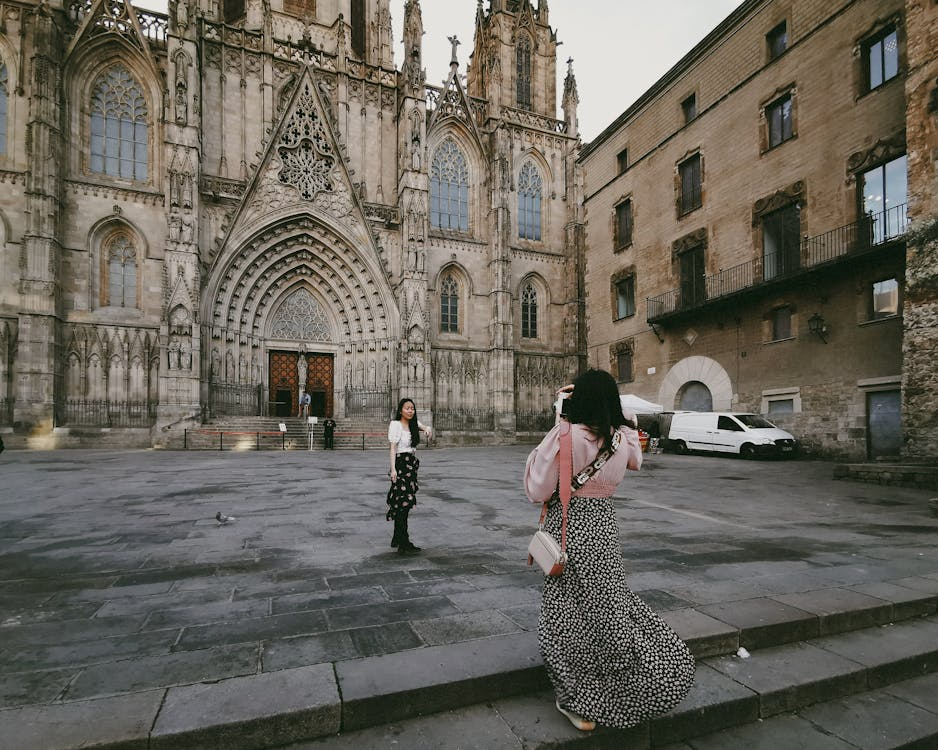
The city combines Gothic streets, Mediterranean urban planning, modernist masterpieces, and contemporary design into one highly walkable environment. Antoni Gaudí’s influence shapes the city especially strongly.
The Sagrada Família remains one of the world’s most extraordinary architectural projects, blending natural forms, symbolism, and engineering innovation into a structure unlike any other cathedral.
Travelers should also explore Park Güell, Casa Batlló, and Casa Milà, all of which demonstrate Gaudí’s distinctive style.
Yet Barcelona’s architectural appeal extends beyond famous landmarks. Neighborhoods like the Gothic Quarter and Eixample reveal dramatically different eras of urban development side by side.
Walking through the city becomes part of the experience itself because architecture shapes nearly every street.
Chicago Defines Modern Skyscraper History
Chicago remains essential for architecture lovers because of its foundational role in modern skyscraper development.
After the Great Chicago Fire of 1871, the city became a testing ground for architectural innovation. Engineers and architects transformed urban design through steel-frame construction and new approaches to vertical building.
The city’s skyline tells a story of architectural evolution spanning more than a century.
The Willis Tower, Aqua, and numerous buildings by Frank Lloyd Wright demonstrate different eras of American design thinking.
Chicago architecture boat tours remain among the best ways to understand how the city has developed visually and structurally over time.
Unlike cities where architecture exists mainly in isolated monuments, Chicago’s urban identity feels deeply connected to design itself.
Istanbul Reveals Layers of Civilization
Istanbul offers one of the world’s richest architectural experiences because multiple empires shaped the city across centuries.
Byzantine churches, Ottoman mosques, palaces, bazaars, and modern districts coexist across a landscape physically divided between Europe and Asia.
Hagia Sophia alone represents an extraordinary architectural and historical achievement, having served as both a cathedral and a mosque across different eras.
The Blue Mosque and Topkapı Palace further reveal Ottoman architectural influence through domes, courtyards, tilework, and urban planning.
Istanbul’s density and complexity reward repeated exploration. Small alleyways, ferry terminals, markets, and residential neighborhoods often feel just as visually compelling as major landmarks.
The city demonstrates how architecture can physically preserve political, religious, and cultural transitions within a single urban environment.
Kyoto Preserves Traditional Design Philosophy
Kyoto provides a dramatically different architectural experience centered around restraint, proportion, and harmony with nature.
Traditional wooden houses, temples, tea houses, gardens, and shrines reveal Japanese design principles emphasizing simplicity, balance, and seasonal awareness.
Rather than aggressively dominating landscapes, many structures integrate gently into their surroundings.
The city’s temples and gardens demonstrate how architecture and landscape design operate together rather than separately.
Districts like Gion and Higashiyama preserve historic streetscapes that feel remarkably consistent with earlier centuries.
Kyoto also highlights how architecture influences the emotional atmosphere. Silence, light, natural materials, and spatial flow become central parts of the experience.
Explore Cultural Capitals: Cities That Define Their Country’s Identity for deeper cultural context.
Great Architecture Cities Reward Observation
Architecture-focused travel changes how people move through destinations.
Travelers spend more time looking upward, noticing details, understanding spatial relationships, and paying attention to how neighborhoods evolve.
Public spaces become more meaningful. Transit systems, bridges, staircases, plazas, and residential buildings all contribute to the experience rather than serving merely functional roles.
Architecture lovers also tend to appreciate slower pacing because visual details emerge gradually rather than instantly.
One reason architectural travel feels rewarding is that buildings reveal values. Cities communicate priorities, histories, and ambitions through physical design choices.
Smaller Cities Often Surprise Architecture Travelers
While global capitals dominate architectural discourse, smaller cities often offer extraordinary experiences with lighter crowds and stronger local identity.
Places like Prague, Brasília, and Valencia showcase dramatically different architectural traditions and experiments.
These destinations often allow travelers to observe urban design more deeply without the intensity of larger global tourism centers.
Architecture ultimately shapes how places feel emotionally. Travelers may forget exact historical dates or museum labels, but they often remember how a city’s spaces made them feel as they moved through them.
That emotional atmosphere is part of what makes architecture-focused travel so powerful.
Read Europe’s Most Beautiful Small Cities You’ve Never Heard Of for overlooked destinations.

Lily Phillips writes about travel through the lens of experience, atmosphere, and connection. She specializes in destination guides, wellness-focused travel, solo adventures, and slow travel itineraries designed to help readers see more by doing less. Her approach combines practical planning with a strong sense of place, encouraging travelers to move beyond checklist tourism and into more meaningful experiences.
Over the years, Lily has explored everything from coastal road trips and mountain towns to bustling global cities and quiet digital detox retreats. She’s especially drawn to destinations with strong local culture, walkable neighborhoods, and unforgettable food scenes. Whether she’s covering seasonal festivals, hidden beaches, or the best cities for solo travelers, her goal is always the same: helping readers travel with curiosity and confidence.