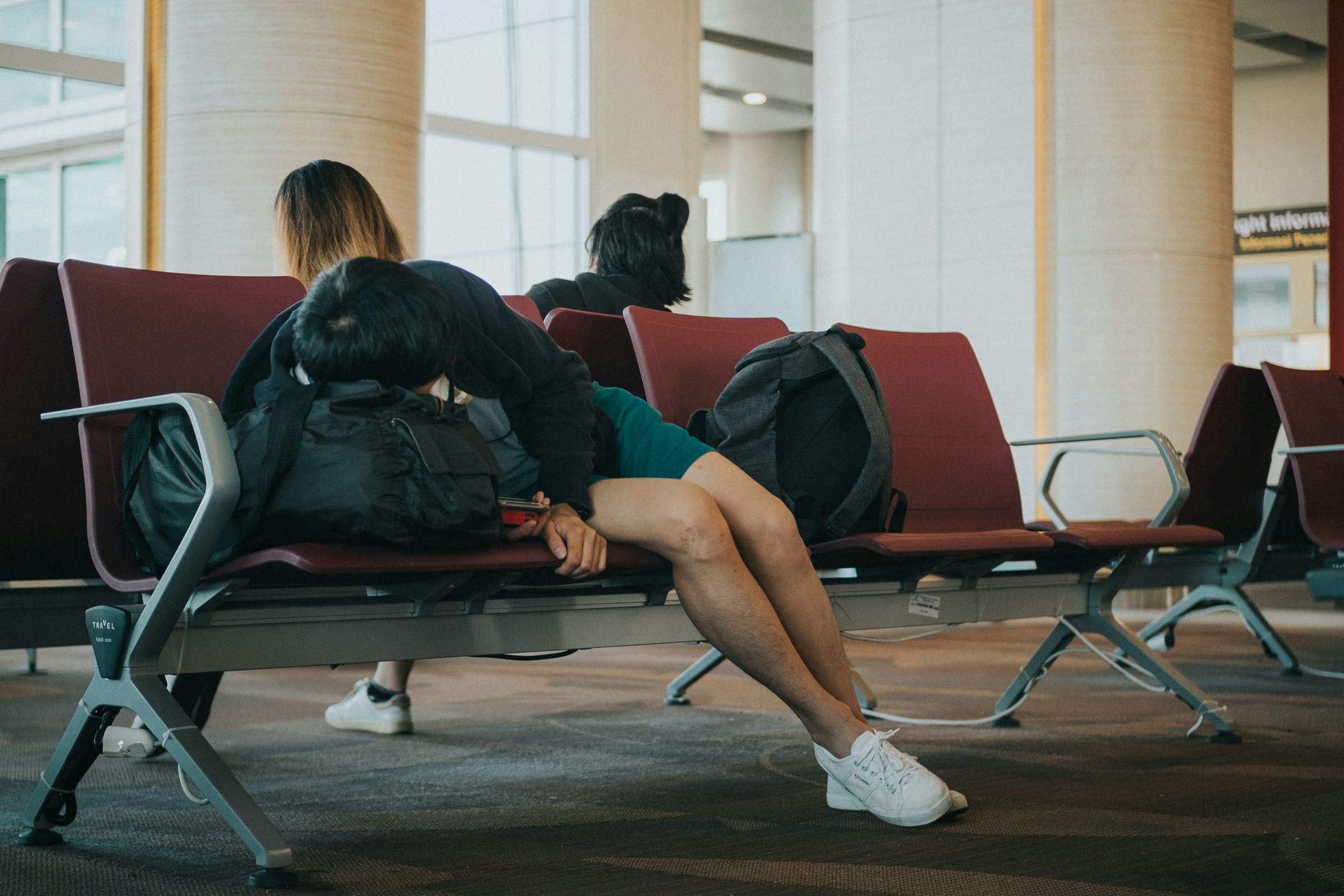
You’ve finally reached your destination of choice, but instead of being thrilled, you’re fighting exhaustion at 3 PM and wide-awake insomnia at 2 AM. Jet lag doesn’t have to steal the first days of your holiday or leave you fumbling for weeks after you return home. Using the appropriate jet lag cures and an intelligent recovery plan, you can minimize disruption and get back to normal faster.
Understanding how your circadian rhythm works, and how to reboot it successfully, turns jet lag from a tolerable certainty into a temporarily bothersome drag.
The Science Behind Jet Lag Recovery
Your internal clock, controlled by a cluster of brain cells called the suprachiasmatic nucleus, relies heavily on exposure to light to maintain its 24-hour cycle. When you cross several time zones rapidly, this internal clock gets out of sync with the new surroundings and generates a series of symptoms we call jet lag.
Effective treatments for jet lag accomplish this by helping your body’s built-in clock, or circadian rhythm, adjust as quickly as possible to your new location. It accomplishes this with precise light exposure, food intake, and sleep planning, not merely waiting for time to fix the issue.
Current research suggests that flying east usually causes more significant jet lag than traveling west because it is harder for most people to advance their clock (sleeping and waking up earlier) than to fall back.
Pre-Flight Adjustment Techniques
The best jet lag remedies actually begin before you board your flight. Starting your adaptation 3-4 days ahead of time can reduce recovery time after a flight by a lot.
- Gradual Schedule Adjustment: When traveling east, go to bed 30-60 minutes earlier nightly for a few nights before departure. To travel west, stay up 30-60 minutes later. This pre-adjustment enables your body to begin adapting before you even leave the ground.
- Strategic Light Exposure: During morning eastward travel, employ bright light therapy. In the evening before westbound trips, seek out light. 20-30 minute light boxes (10,000 lux) can be very beneficial during this pre-adjustment phase.
- Sleep Banking: Get plenty of rest before traveling. Lost sleep exacerbates jet lag and disables recovery significantly.
Read More: 2025 Travel Trends: Slow Travel, Solo Trips, and Eco-Friendly Escapes
In-Flight Circadian Rhythm Management
Your jet lag remedies should continue during the flight itself. Set your watch to your destination time zone immediately upon boarding and begin living by that schedule mentally.
- Meal Timing Strategy: Eat according to your destination’s schedule, not your departure time. If it’s breakfast time at your destination, eat breakfast on the plane regardless of what time your body thinks it is.
- Sleep and Wake Strategic Periods: Sleep during what would be nighttime at your destination for overnight eastbound flights, and stay awake and watch entertainment or work for daytime flights.
- Light Management: Strategically wear sunglasses or an eye mask; block the light when nighttime at your destination, find light when it’s supposed to be daytime there.
Read More: Trip Planning Tools That Actually Make Your Life Easier
Post-Landing Recovery Protocols
The initial 48 hours after arrival are critical to overcoming jet lag. What you do within this time either accelerates or significantly decelerates your adaptation.
- Initial Light Exposure: Go outdoors in natural light as soon as possible upon arrival, especially when you arrive in the morning or early afternoon at your destination. Even 15-30 minutes of light exposure to the outdoors sends powerful signals to reset your circadian clock.
- Resist the Nap Trap: One of the toughest but most effective jet lag solutions. Avoid napping until local bedtime, no matter how exhausted you feel. 20-minute power naps are permitted if absolutely necessary, but longer sleep will short-circuit your adaptation.
- Meal Timing Reset: Eat meals on local time immediately, even if you are not hungry. Your digestive system provides additional circadian rhythm cues that allow for faster adaptation.
Advanced Recovery Techniques
Strategic Caffeine Application: Spread out your caffeine intake to assist in maintaining wakefulness within your new day hours, while having it 6-8 hours away from your new bedtime. This could be among the most effective solutions for staying awake when you need it most, when experiencing jet lag.
Exercise Timing: Light exercise at your destination, daytime local time, helps to fortify circadian signals. Avoid vigorous exercise close to your new bedtime, however, as it will interfere with sleep.
Melatonin Supplementation: Low-dose melatonin (0.5-3mg) 30 minutes before your destination bedtime can help cue sleep time to your brain. Start this the night following arrival and continue for 3-4 nights.
Direction-Specific Strategies
- Eastward Travel Recovery: Prioritize morning light exposure and an early bedtime. Use short light therapy sessions in the morning if access to natural light is not feasible.
- Westward Travel Recovery: Seek out afternoon and early evening light, stay up later gradually, and limit morning light exposure until a few days have elapsed.
Creating Your Personal Recovery Plan
Successful jet lag remedies vary for each person; some adapt more quickly naturally, while others need more intense treatment. Observe what works best on your body and travel habits.
Keep a travel recovery journal, keeping track of which methods work best for different types of trips. This personal data is gold for optimizing future travel.
Keep in mind, complete adaptation typically takes one day per time zone covered, but with conscious effort, you can feel considerably better a lot sooner. Surviving jet lag is insufficient; the goal is to recover quickly enough that you can get the most out of your destination from day one.
Read More: How to Choose the Right Travel Style for Your Personality