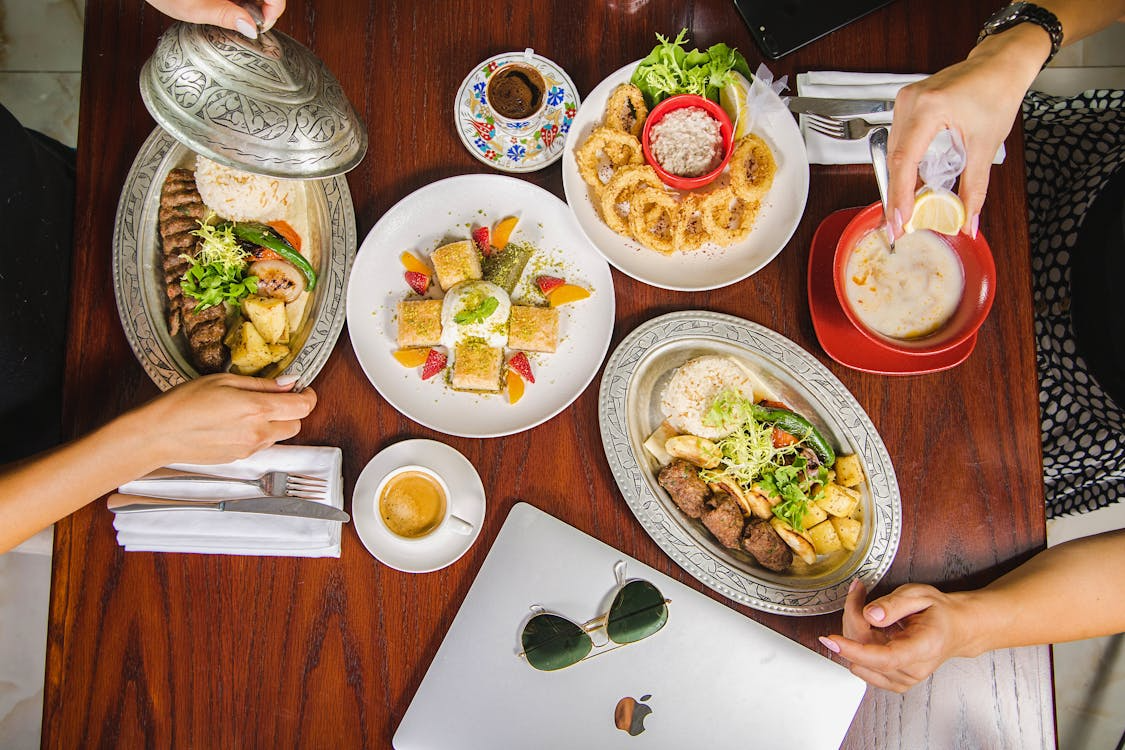
The goal of a food-focused travel itinerary is not just eating well. It is understanding a place through its flavors, traditions, and daily food culture.
For many travelers, food is no longer just part of the trip. It is the reason for the trip itself. Restaurants, street food, regional specialties, cooking traditions, and local ingredients have become major drivers of modern travel planning. A destination’s food culture often reveals more about its identity than museums or landmarks alone.
Planning a trip around food experiences creates a different style of travel. Instead of simply fitting meals between activities, travelers organize itineraries around markets, neighborhoods, reservations, and culinary discoveries.
Research Regional Specialties Before You Go
One of the best ways to improve a food-focused trip is researching what makes a destination unique before arrival. Every region has dishes, ingredients, cooking styles, or traditions that define its culinary identity.
Travelers who arrive with some understanding of local specialties tend to have more meaningful dining experiences. Instead of randomly choosing restaurants near tourist attractions, they know which dishes to seek out and where to find them.
This research also helps travelers avoid accidentally missing iconic local experiences. Some foods are highly regional and difficult to find outside specific areas or seasons.
Food-focused research should extend beyond fine dining. Street food, bakeries, markets, family-run cafés, and neighborhood specialties often create the most memorable culinary moments during a trip.
Build the Itinerary Around Food Neighborhoods
Many great food cities are organized geographically. Certain neighborhoods become known for street food, seafood, cafés, markets, bakeries, nightlife, or specific regional cuisines.
Planning by neighborhood allows travelers to experience food more naturally while reducing transportation stress. Instead of constantly crossing the city to visit individual restaurants, travelers can spend entire afternoons or evenings exploring a single culinary district at a slower pace.
This approach also creates room for spontaneity. Some of the best travel meals happen unexpectedly after discovering a crowded local café, a small market stall, or a restaurant recommended by locals.
Food travel works best when the itinerary leaves room for flexibility rather than overbooking every meal weeks in advance.
Balance Famous Restaurants With Local Discoveries
High-profile restaurants often become major travel attractions, and some are genuinely worth the hype. However, building an entire food trip around expensive reservations can make the experience feel rigid and exhausting.
The best food-focused itineraries balance iconic dining experiences with smaller local discoveries. A memorable trip may include one famous tasting menu alongside casual lunches, bakeries, neighborhood noodle shops, or family-owned restaurants.
Travelers should also understand that popularity does not always equal authenticity. Some heavily promoted restaurants cater almost entirely to tourists, while extraordinary local spots remain relatively unknown outside the neighborhood.
Markets are especially valuable for food travelers because they offer access to local ingredients, snacks, and regional specialties all in one place. Many cities reveal their culinary identity most clearly through their markets rather than formal restaurants.
Explore Best Food Cities in the World (and What to Eat There) for culinary destination picks.
Consider Timing and Reservations Carefully
Food-focused travel often requires more logistical planning than standard sightseeing. Popular restaurants in major cities may book out weeks or months in advance, especially during peak travel seasons.
Researching reservation systems before departure helps avoid disappointment. Some restaurants release reservations at specific times or require prepaid booking platforms.
Timing also matters beyond reservations themselves. Certain foods, markets, or seasonal specialties are only available during particular months or times of day. Travelers planning trips around food should pay attention to local dining customs, market schedules, and regional food seasons.
In some destinations, lunch is the main meal. In others, dinner begins much later than travelers may expect. Understanding these rhythms creates a smoother and more authentic experience.
At the same time, travelers should avoid overplanning every meal. Constant reservation schedules can remove the spontaneity that makes food travel enjoyable in the first place.
Food Experiences Often Become Cultural Experiences
One reason culinary travel feels so rewarding is that food naturally connects travelers to local culture. Meals reveal history, geography, migration, agriculture, family traditions, and social customs all at once.
Conversations with restaurant owners, market vendors, bakers, or local guides often become some of the most meaningful interactions during a trip. Food provides an easy entry point for cultural exchange, even when language barriers exist.
Cooking classes, food tours, wine tastings, and market visits can deepen this connection further by providing context behind the meals themselves.
Ultimately, planning a trip around food changes how travelers experience destinations. Cities stop feeling like collections of landmarks and begin feeling alive through their flavors, aromas, neighborhoods, and traditions.
The best culinary trips are rarely about eating at the most expensive restaurants possible. They are about curiosity, exploration, and experiencing a destination one meal at a time.
Read Cultural Capitals: Cities That Define Their Country’s Identity for culture-led travel.

Lily Phillips writes about travel through the lens of experience, atmosphere, and connection. She specializes in destination guides, wellness-focused travel, solo adventures, and slow travel itineraries designed to help readers see more by doing less. Her approach combines practical planning with a strong sense of place, encouraging travelers to move beyond checklist tourism and into more meaningful experiences.
Over the years, Lily has explored everything from coastal road trips and mountain towns to bustling global cities and quiet digital detox retreats. She’s especially drawn to destinations with strong local culture, walkable neighborhoods, and unforgettable food scenes. Whether she’s covering seasonal festivals, hidden beaches, or the best cities for solo travelers, her goal is always the same: helping readers travel with curiosity and confidence.