Travel has always carried a kind of contradiction. It expands your worldview and connects you to people and places you might never otherwise encounter, yet it also leaves a footprint behind. The question is not whether to stop traveling altogether. For most people, that is neither realistic nor desirable. A better question is how to move through the world more thoughtfully.
Eco-conscious travel is not about perfection or guilt. It is about awareness and making small, deliberate choices that add up over time. Often, those choices do more than reduce your impact. They lead to richer, more grounded experiences that feel less rushed and more connected.
Rethinking How You Get There and Where You Stay
If there is one place to start, it is transportation. Getting to your destination is usually the most carbon-intensive part of a trip. Aviation accounts for a large share of tourism-related emissions, so even small adjustments here can make a meaningful difference.
When flying is unavoidable, nonstop routes tend to be more efficient than flights with connections, since takeoffs and landings use the most fuel. Economy class also has a lower carbon footprint per passenger compared to premium cabins because more travelers share the same space. Some airlines offer carbon offset programs, though their impact varies and they work best as a supplement rather than a solution.
A more impactful shift comes from slowing down. Staying longer in one place instead of moving quickly between destinations reduces transit emissions and allows you to experience a region more deeply. Spending several days in one neighborhood, finding a favorite café, and learning the local rhythm often leaves a stronger impression than a packed itinerary.
On the ground, trains remain one of the most efficient and enjoyable ways to travel medium distances, especially across Europe and parts of Asia. When you factor in airport transfers and security lines, trains are often just as fast and far more comfortable. For road trips, choosing a smaller, fuel-efficient, hybrid, or electric vehicle can help reduce your footprint. Public transportation is often the simplest option in cities, saving both money and resources.
Where you stay also shapes your impact. Certifications such as LEED or Green Key can signal that a property meets certain environmental standards, including energy use and water conservation. Still, smaller, locally owned accommodations often offer a more meaningful option. Guesthouses, boutique inns, and eco-lodges tend to operate on a smaller scale and keep tourism dollars within the community.
Even simple choices matter. Staying near public transit reduces the need for extra transportation, and having access to a kitchen can cut down on takeout waste while encouraging visits to local markets.
Small Choices That Add Up Along the Way
Packing lighter is one of the simplest ways to travel more efficiently. It makes navigating your trip easier and reduces overall fuel use, even if only slightly. Most experienced travelers rely on versatile clothing that can be layered and worn in multiple settings. In practice, this often means bringing less and using more of what you pack.
Reusable items also make a difference. A water bottle, tote bag, and basic utensils can significantly reduce single-use plastic over the course of a trip. Toiletries are another easy place to adjust. Solid shampoo bars, biodegradable soaps, and reef-safe sunscreen are widely available and especially important in destinations with delicate ecosystems.
Timing and destination choices are just as important. Visiting popular places during peak season can strain local infrastructure and diminish the experience. Traveling during shoulder seasons often brings fewer crowds, lower prices, and a more relaxed atmosphere.
Once you arrive, how you spend your time matters. Hiring local guides, eating at independently owned restaurants, and purchasing directly from artisans helps ensure that tourism supports the community. These experiences are often more personal and memorable as well.
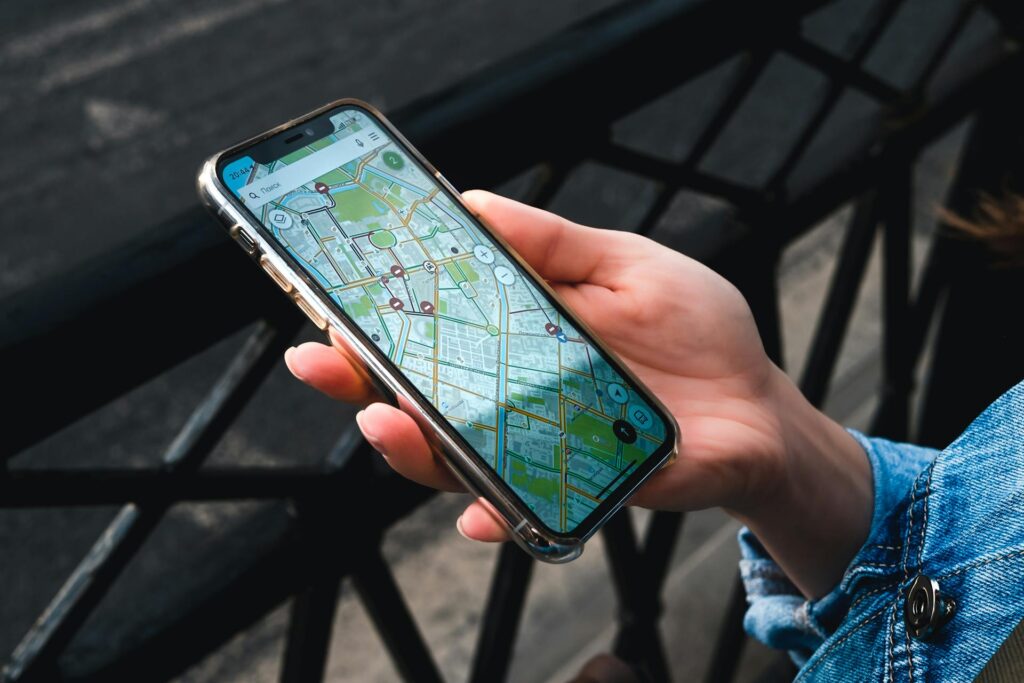
Technology has also made it easier to travel more efficiently. Digital boarding passes, mobile tickets, and offline maps reduce paper use and simplify logistics. Planning ahead by downloading transit apps or mapping walking routes can help you rely less on resource-heavy options once you arrive.
In the end, sustainable travel is not about doing everything perfectly. It is about building awareness and letting that awareness guide your decisions. You might start by packing lighter, staying longer in one place, or choosing a train over a short flight. Over time, those choices shape not only your impact but also the quality of your travel experience.

Lily Phillips writes about travel through the lens of experience, atmosphere, and connection. She specializes in destination guides, wellness-focused travel, solo adventures, and slow travel itineraries designed to help readers see more by doing less. Her approach combines practical planning with a strong sense of place, encouraging travelers to move beyond checklist tourism and into more meaningful experiences.
Over the years, Lily has explored everything from coastal road trips and mountain towns to bustling global cities and quiet digital detox retreats. She’s especially drawn to destinations with strong local culture, walkable neighborhoods, and unforgettable food scenes. Whether she’s covering seasonal festivals, hidden beaches, or the best cities for solo travelers, her goal is always the same: helping readers travel with curiosity and confidence.