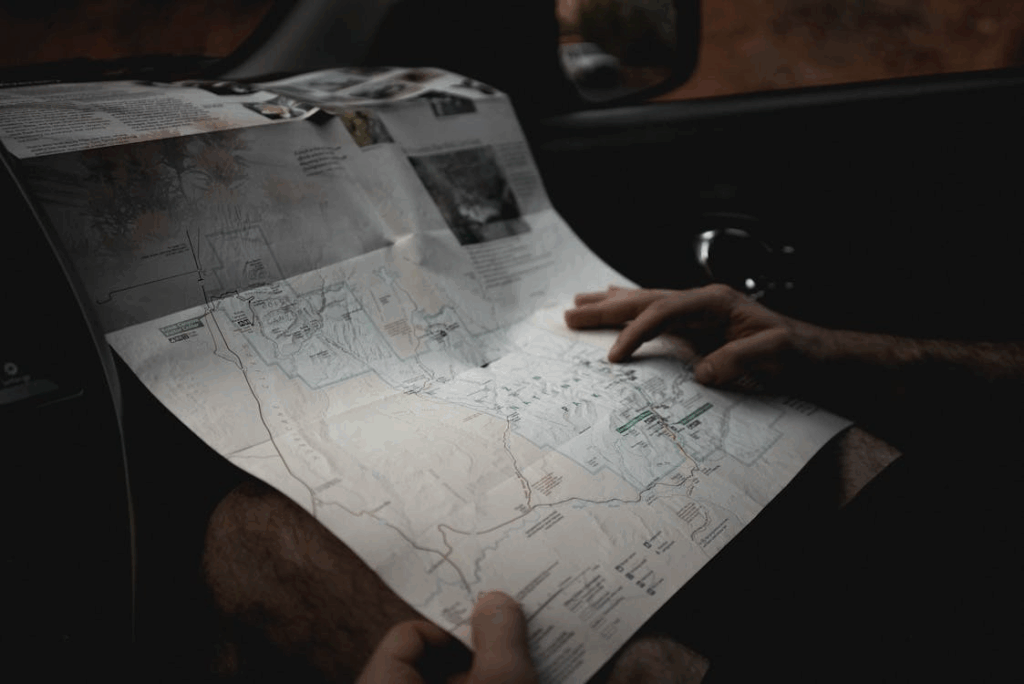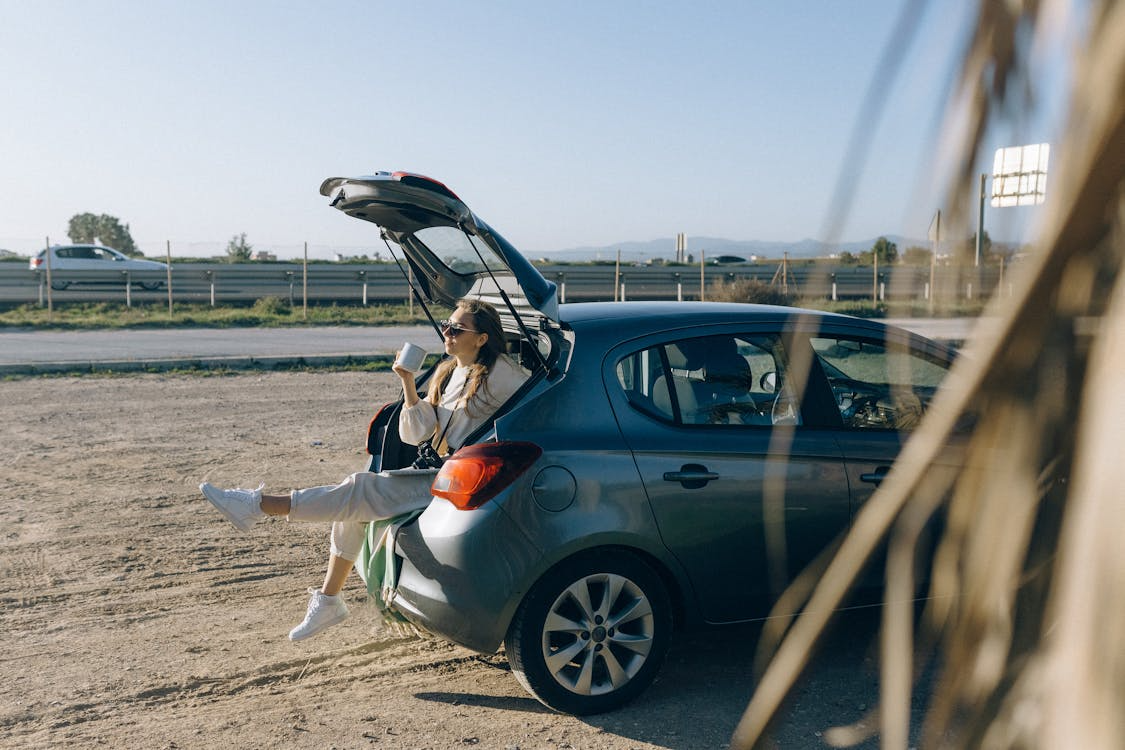
Road laws, insurance requirements, fuel policies, and driving customs vary widely between countries. Understanding these differences before arriving can prevent expensive mistakes and unnecessary frustration.
Renting a car abroad can completely change the travel experience. It gives travelers the freedom to explore smaller towns, scenic routes, rural areas, and destinations that public transportation may not easily reach. In many countries, having a rental car transforms a trip from structured tourism into something far more flexible and immersive.
At the same time, international car rentals can introduce unfamiliar rules, unexpected fees, and stressful driving conditions for unprepared travelers.
Understand Local Driving Rules Before You Arrive
One of the biggest mistakes travelers make is assuming driving rules work the same everywhere. Even experienced drivers can feel overwhelmed when navigating unfamiliar road systems abroad.
Some countries drive on the opposite side of the road, which requires extra concentration during turns, lane changes, and roundabouts. Road signs, speed limits, parking regulations, and right-of-way rules may also differ significantly from what travelers are used to at home.
Researching local driving customs is equally important. In some countries, aggressive merging or narrow road navigation is considered normal. In others, strict-enforcement cameras monitor speed and traffic violations closely.
It also helps to familiarize yourself with common road terminology and basic traffic signs before the trip. Even a small amount of preparation can make driving feel much less intimidating once you arrive.
Check International Driving Permit Requirements
Many travelers are surprised to learn that some countries require an International Driving Permit (IDP) in addition to a valid driver’s license from their home country.
An IDP is essentially a translated version of your license recognized internationally. Some rental companies may ask for it even in destinations where local police rarely do. Without one, travelers could face denied rentals, fines, or insurance complications.
Requirements vary by country, so travelers should verify the rules well before departure. In the United States, IDPs are typically issued through organizations like AAA before the trip begins.
Even in countries where an IDP is not legally required, carrying one can simplify communication during traffic stops or rental paperwork situations.
Understand Rental Car Insurance Carefully
Insurance is one of the most confusing parts of renting a car abroad. Travelers often assume they are fully covered through personal auto insurance or credit card benefits, only to discover important limitations later.
Coverage rules differ dramatically depending on the country, rental agency, and payment method. Some destinations require mandatory local liability coverage regardless of outside insurance. Others exclude certain vehicle types, damage categories, or rural driving situations.
Rental companies also frequently offer multiple layers of protection at the counter, which can feel overwhelming after a long flight. Travelers should review their existing coverage before the trip so they understand exactly what is already included and what gaps may exist.
It is especially important to inspect the vehicle carefully before driving away. Taking photos and videos of existing scratches, dents, tire condition, and windshield damage can help prevent disputes later during vehicle return.
Explore The World’s Most Scenic Coastal Drives for road trip routes.
Be Aware of Hidden Fees and Restrictions
The advertised rental rate is rarely the final price. International car rentals often include additional fees that travelers may not anticipate initially.
Airport pickup surcharges, cross-border fees, toll transponders, young driver fees, extra driver charges, automatic transmission upgrades, and fuel penalties can quickly increase costs. Some countries also impose large security deposits on credit cards during the rental period.
Fuel policies deserve special attention. Some agencies require the car to be returned full, while others automatically charge for expensive prepaid fuel programs. Understanding the exact fuel policy before leaving the lot can avoid unnecessary charges later.
Travelers planning to cross into neighboring countries should also verify border permissions in advance. Some rental companies prohibit international crossings entirely or require additional documentation and fees.
Choose the Right Vehicle for the Destination
Many travelers instinctively book larger vehicles for comfort, but smaller cars are often far more practical abroad. Streets in historic European cities, mountain villages, and older urban areas can be extremely narrow compared to roads in the United States or Canada.
Parking spaces may also be smaller and harder to navigate. Compact vehicles are usually easier to drive, cheaper to fuel, and more manageable in crowded areas.
Automatic transmissions are another consideration. In some countries, manual transmission vehicles remain far more common and affordable. Travelers who require automatics should reserve early because availability can be limited.
Ultimately, renting a car abroad works best when travelers remain flexible and realistic. Driving internationally can feel stressful at first, but with preparation, it often becomes one of the most rewarding ways to experience a destination more independently and authentically.
Read How to Avoid Tourist Traps (Without Missing the Highlights) for smarter travel choices.

Lily Phillips writes about travel through the lens of experience, atmosphere, and connection. She specializes in destination guides, wellness-focused travel, solo adventures, and slow travel itineraries designed to help readers see more by doing less. Her approach combines practical planning with a strong sense of place, encouraging travelers to move beyond checklist tourism and into more meaningful experiences.
Over the years, Lily has explored everything from coastal road trips and mountain towns to bustling global cities and quiet digital detox retreats. She’s especially drawn to destinations with strong local culture, walkable neighborhoods, and unforgettable food scenes. Whether she’s covering seasonal festivals, hidden beaches, or the best cities for solo travelers, her goal is always the same: helping readers travel with curiosity and confidence.