Eating well while traveling does not have to mean spending a lot. In many cases, the best meals you will have abroad are also the least expensive. They are found in small restaurants, busy markets, and neighborhood spots that rarely make it into guidebooks.
Budget food travel is not about cutting corners. It is about knowing where to look and being open to how locals actually eat. When you shift your habits even slightly, the experience changes. Meals feel more personal, more connected, and often far more memorable.
Follow the Locals, Not the Guidebooks
If there is one reliable rule, it is this: go where the locals go.
Restaurants filled with residents, especially during lunch, are usually a strong sign of quality and value. These places rely on repeat customers, not one-time visitors, so the food tends to be both better and more reasonably priced.
By contrast, restaurants near major attractions often cater to convenience. Menus are translated into multiple languages, prices are higher, and the food can feel generic. That does not mean every tourist-area restaurant should be avoided, but it does mean it is worth walking a few blocks farther.
Asking for recommendations can also go a long way. Shop owners, taxi drivers, and hotel staff often have their own favorite spots, and those suggestions tend to lead to smaller, family-run places. These are the kinds of restaurants where recipes have been passed down for generations and where the experience feels rooted in the local culture.
Markets and Street Food Tell the Real Story
To really understand a place, spend time in its markets.
Markets offer a direct look at how people shop, cook, and eat. You will find everything from fresh produce to ready-made meals, often at prices far lower than restaurants. In cities around the world, from Bangkok to Istanbul, market stalls serve dishes that are both affordable and deeply tied to local traditions.
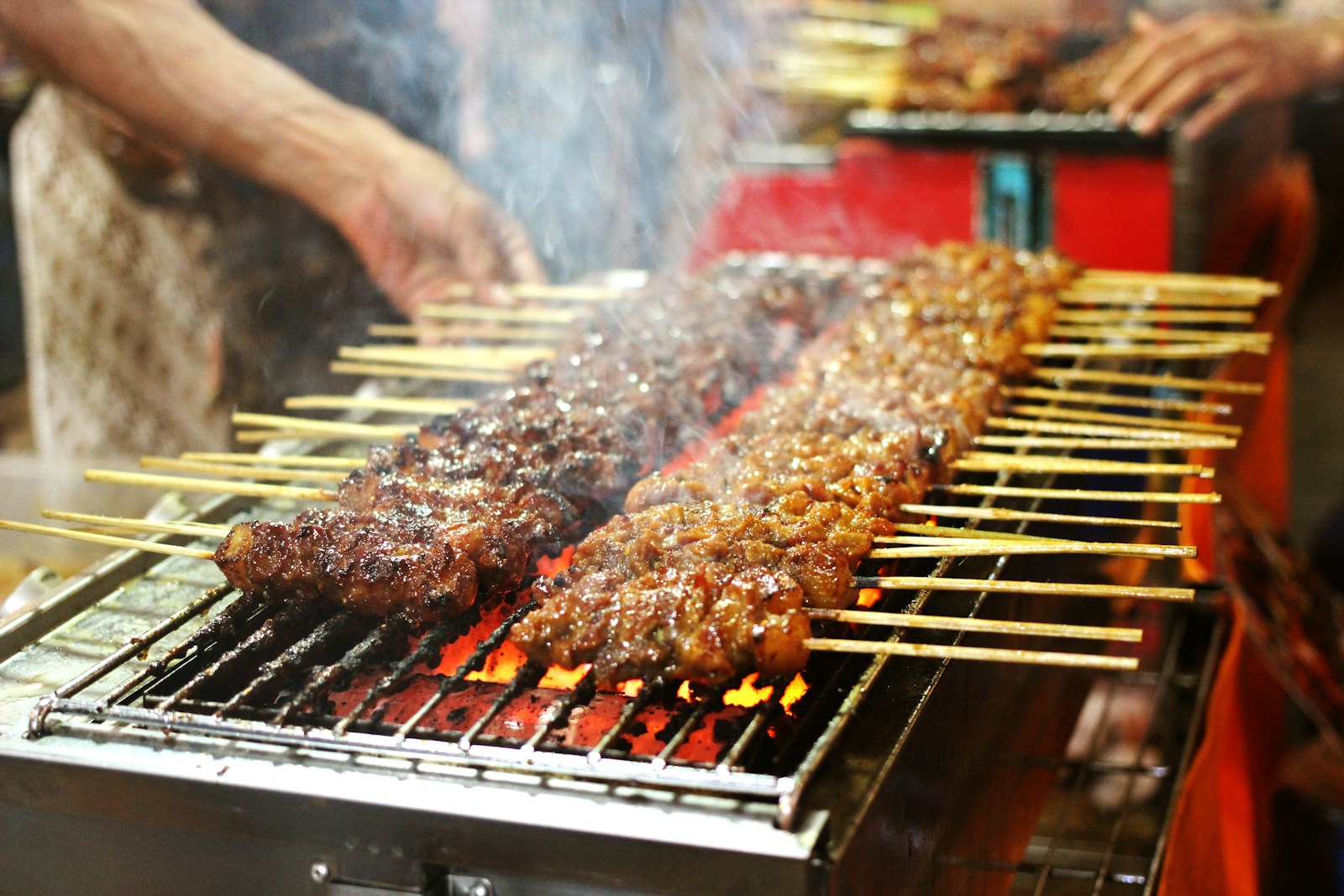
Street food follows a similar pattern. In many countries, it is not just a quick snack but a central part of daily life. Entire meals can be built from a few small plates, each offering something different.
A good rule of thumb is to look for busy stalls. High turnover usually means the food is fresh. It also helps to pay attention to basic hygiene, but in general, a steady line of locals is one of the best indicators you can find.
Read More: Best Cities for Solo Travelers (and What to Do There Alone)
Timing Your Meals Makes a Difference
When you eat can be just as important as where you eat.
In many countries, lunch is the main meal of the day. Restaurants often offer set menus or daily specials at a lower price than dinner, even though the portions are similar. Taking advantage of these midday options can stretch your budget without sacrificing quality.
Late afternoon can also be a smart time to eat. In places like Spain or Italy, small plates and casual dining options often appear between traditional meal hours. These lighter offerings can easily add up to a full meal at a fraction of the cost.
Adjusting your schedule slightly to match local habits does more than save money. It also helps you experience the rhythm of daily life in a more natural way.
Mixing In a Few DIY Meals
If your accommodation includes access to a kitchen, it opens up another layer of possibilities.
Shopping at local markets or grocery stores allows you to try regional ingredients while keeping costs low. Even a simple meal of bread, cheese, and fresh produce can feel special when it reflects the place you are visiting.
Cooking does not have to be a daily routine, but working it in once or twice during a trip can balance out restaurant spending. It also creates a different kind of connection to the destination, one that goes beyond dining out.
Read More: Best Credit Card Perks You Might Be Forgetting to Use While Traveling
Knowing When to Spend a Little More
Traveling on a budget does not mean skipping memorable dining experiences altogether.
It often makes more sense to plan for one or two standout meals and build the rest of your trip around more affordable options. This approach gives you a wider view of a destination’s food scene without pushing your budget too far.
Lunch can be a good opportunity to experience higher-end restaurants at a lower cost. Many offer set menus that feature the same quality ingredients as dinner, but at a more accessible price point.
A Better Way to Experience Food Abroad
The most memorable meals rarely come from the most expensive places. They come from curiosity, from wandering into a small café, or from following a recommendation that leads somewhere unexpected.
Eating well on a budget is less about restriction and more about perspective. When you focus on how and where locals eat, you naturally find food that is both affordable and meaningful.
In the end, your best meals abroad may not be the ones you planned. They are the ones you discover along the way.
Read More: Why Portugal Is 2025’s Must-Visit Destination

Jodie Martin is a travel writer focused on practical adventures, cultural experiences, and smart trip planning. Her work blends service-driven advice with immersive storytelling, helping readers navigate everything from budget-friendly European escapes to hidden food markets and off-the-radar destinations. She believes the best trips happen when travelers leave room for spontaneity, local recommendations, and the occasional wrong turn.
When she’s not researching airfare trends or testing carry-on packing strategies, Jodie can usually be found wandering through bookstores, hunting for neighborhood cafés, or planning her next long weekend getaway. Her favorite stories come from the moments between the major landmarks—the quiet streets, family-run restaurants, and conversations that make a destination feel real.