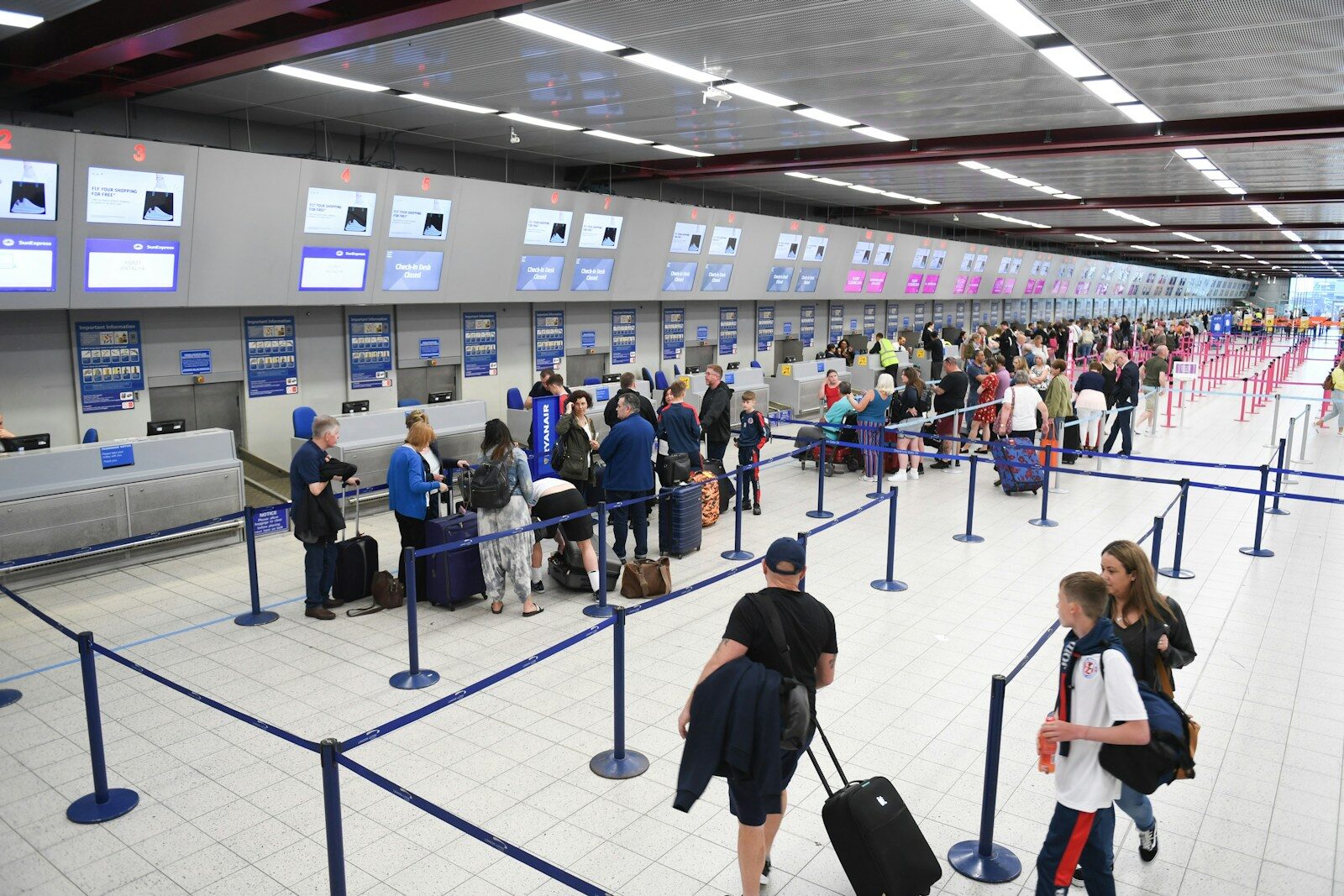
Knowing how each works can help travelers recognize legitimate opportunities while avoiding confusion when exceptionally low airfare suddenly appears online.
Travelers searching for cheap airfare often encounter two terms that sound similar but operate very differently: error fares and flash sales. Both can produce unusually low ticket prices, but understanding the difference helps travelers respond appropriately and avoid costly assumptions.
An airline flash sale is intentional. An error fare is accidental. That distinction affects pricing reliability, booking strategy, cancellation risk, and the speed at which travelers need to act.
What Is an Airline Error Fare?
An airline error fare occurs when a flight is accidentally priced far below its intended cost due to technical or human mistakes.
These mistakes can happen for several reasons. Currency conversion errors, missing fuel surcharges, software glitches, tax calculation problems, or manual pricing mistakes may all create dramatically reduced airfare.
For example, a business-class ticket from New York to Tokyo that normally costs $4,000 might mistakenly appear at $700 because a surcharge failed to apply correctly.
Error fares are usually unpredictable and short-lived. Some disappear within minutes once airlines or booking systems detect the problem.
Travelers who find genuine error fares often book immediately because hesitation usually means missing the opportunity entirely.
However, error fares come with uncertainty. Airlines sometimes cancel tickets that were mistakenly issued after booking, especially if the pricing mistake is severe.
Flash Sales Are Planned Promotions
Flash sales work very differently because airlines intentionally create them.
Airlines launch flash sales to stimulate demand, fill seats during slower travel periods, compete against rival carriers, or promote new routes. These promotions often last a limited time, usually anywhere from several hours to a few days.
Unlike error fares, flash sales are legitimate marketing campaigns supported by the airline itself. Travelers booking flash sale fares generally face far less cancellation risk.
Flash sale discounts may not appear as dramatic as the cheapest error fares, but they can still provide substantial savings, especially for international travel.
For example, an airline might temporarily reduce round-trip fares to Europe from $1,100 to $650 during a promotional event designed to increase off-season bookings.
Travelers often see flash sales heavily promoted through airline email newsletters, social media, and airfare deal websites.
How to Recognize the Difference Quickly
Recognizing whether a fare is likely an error or a flash sale becomes easier with experience.
Extremely unrealistic pricing usually signals an error fare. If international business-class tickets suddenly cost less than domestic economy flights, something is probably wrong with the pricing system.
Flash sales, by contrast, usually involve aggressive but believable discounts. Airlines still want to profit from these sales even as they lower prices.
The way the deal appears also matters. Flash sales are typically advertised publicly through official airline channels with clear booking deadlines and promotional language.
Error fares often appear suddenly without explanation and may only surface in airfare-tracking communities or deal-alert services.
Travelers should also pay attention to route consistency. Flash sales commonly affect multiple cities or travel dates systematically, while error fares may appear randomly on isolated routes.
Read More: Luxury for Less: Boutique Hotels That Feel Like 5-Star Stays
Booking Strategies Differ for Each Deal Type
Because error fares carry uncertainty, experienced travelers handle them cautiously.
When booking an error fare, travelers usually avoid making immediate non-refundable hotel or tour reservations until the airline confirms the ticket will stand. Many wait several days before committing additional money to the trip.
Using a credit card rather than a debit card also provides stronger consumer protections if problems arise later.
Flash sales allow for more confidence and planning because the airline intentionally supports the pricing. Travelers can typically proceed with trip arrangements more comfortably once booking is complete.
Speed still matters for both deal types. Flash sales may disappear after inventory limits are reached, while error fares can vanish almost instantly.
Flexible travelers consistently benefit the most from both opportunities. Travelers willing to depart midweek, travel during shoulder seasons, or visit multiple possible destinations usually uncover the strongest deals.
Why Both Matter to Budget Travelers
Although error fares receive more internet attention because of their dramatic pricing, flash sales often provide more practical value for ordinary travelers.
Error fares are rare and unpredictable. Flash sales occur regularly throughout the year and often offer meaningful discounts with no uncertainty.
Many experienced travelers rely more heavily on flash sales because they offer reliable savings and help avoid cancellation anxiety.
Still, error fares remain exciting because they occasionally create extraordinary opportunities impossible under normal pricing conditions. Travelers have booked luxury international trips for economy-level prices thanks to accidental fare drops.
The smartest travelers understand how to take advantage of both.
They consistently monitor airfare trends, subscribe to deal alerts, remain flexible, and act quickly when opportunities arise. Most importantly, they recognize that not every unusually cheap ticket represents the same type of deal.
Understanding the difference between error fares and flash sales allows travelers to respond strategically rather than emotionally when incredible airfare suddenly appears.
Read More: Best Credit Card Perks You Might Be Forgetting to Use While Traveling

Lily Phillips writes about travel through the lens of experience, atmosphere, and connection. She specializes in destination guides, wellness-focused travel, solo adventures, and slow travel itineraries designed to help readers see more by doing less. Her approach combines practical planning with a strong sense of place, encouraging travelers to move beyond checklist tourism and into more meaningful experiences.
Over the years, Lily has explored everything from coastal road trips and mountain towns to bustling global cities and quiet digital detox retreats. She’s especially drawn to destinations with strong local culture, walkable neighborhoods, and unforgettable food scenes. Whether she’s covering seasonal festivals, hidden beaches, or the best cities for solo travelers, her goal is always the same: helping readers travel with curiosity and confidence.