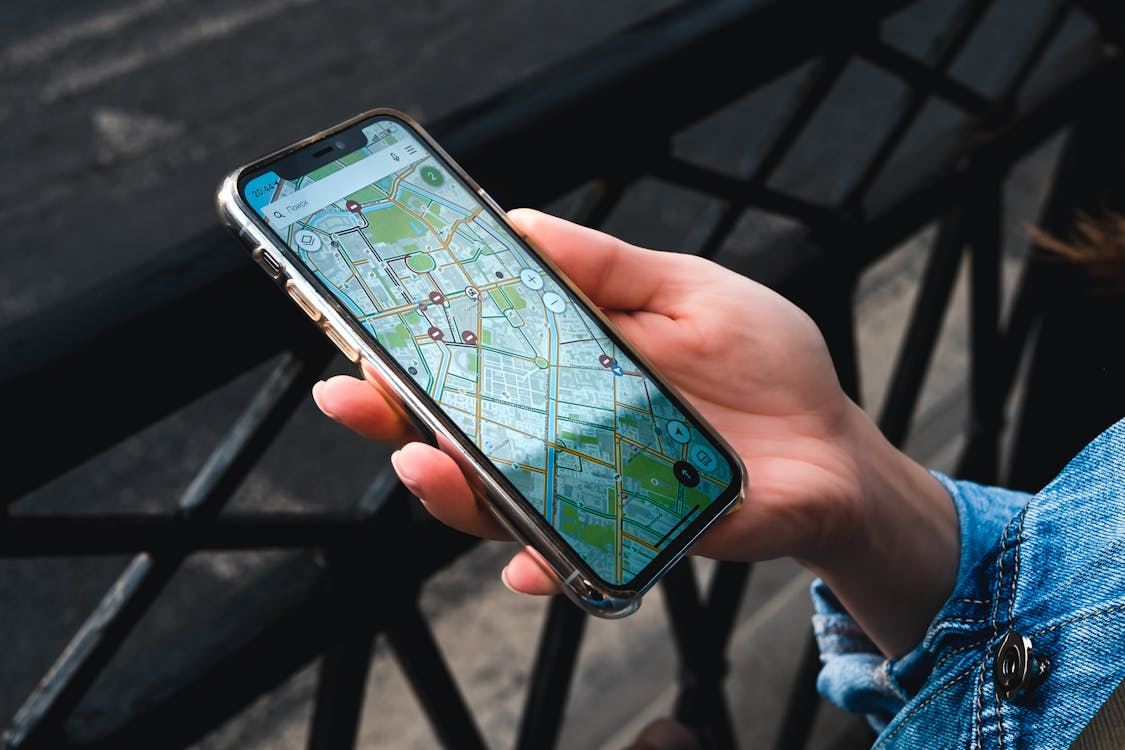
While no single app handles everything perfectly, combining a few reliable tools can make navigating a new city far smoother and more enjoyable.
Exploring a new city has become dramatically easier thanks to modern travel apps. Travelers no longer need to rely entirely on paper maps, guidebooks, or memorized directions to move confidently through unfamiliar places. Today’s navigation apps help visitors find transportation, translate languages, discover neighborhoods, and adjust quickly to local systems that may initially feel confusing.
The best travel apps do more than provide directions. They reduce stress, save time, and help travelers move through destinations more naturally.
Google Maps Remains the Essential Starting Point
For most travelers, Google Maps remains the most important app for navigating unfamiliar cities. Its strength comes from combining walking directions, public transportation routes, restaurant information, business hours, reviews, and offline maps into one platform.
Public transportation integration is especially valuable in major international cities. Travelers can compare subway, bus, train, walking, and rideshare options in real time and accurately estimate travel durations.
Offline map downloads are another major advantage. Downloading city maps before arrival allows travelers to continue navigating even without cellular service or Wi-Fi access. This feature can be especially helpful in countries where mobile data access may initially be limited.
Google Maps also works well for discovering neighborhoods organically. Travelers often find highly rated cafés, markets, parks, and attractions simply by exploring nearby areas within the app.
Translation Apps Help Reduce Language Stress
Language barriers are one of the biggest concerns for international travelers, especially in destinations where English is less widely spoken. Translation apps help significantly reduce this anxiety.
Google Translate remains one of the most versatile options because it supports text translation, voice conversations, and camera-based translations for signs and menus. The camera feature is particularly useful when navigating train stations, restaurant menus, or public transportation systems.
Many translation apps also support downloadable offline language packs. This allows travelers to continue translating even without internet access.
While translation apps are not perfect, they often provide enough clarity to resolve basic communication challenges quickly. Even imperfect translations can make travelers feel far more confident when asking for directions or reading unfamiliar information.
Public Transportation Apps Save Time and Confusion
Large cities often rely heavily on subway systems, buses, and regional trains. Understanding these systems quickly can save travelers significant money compared to relying entirely on taxis or rideshares.
Apps like Citymapper have become popular because they focus specifically on urban transportation. In supported cities, Citymapper provides highly detailed public transportation guidance, including live arrival times, station entrances, transfer instructions, and disruption alerts.
Some cities also operate their own dedicated transportation apps that provide more accurate local information than broader global platforms. Travelers visiting destinations like Tokyo, London, Paris, or Seoul may benefit from downloading official transit apps before arrival.
Confidently using public transportation often changes how travelers experience a city. Instead of remaining confined to tourist districts, they can explore neighborhoods more freely and affordably.
Read What to Know Before Renting a Car Abroad for local transport planning.
Rideshare and Taxi Apps Simplify Local Transportation
In many cities, rideshare apps reduce the stress of negotiating taxis, explaining destinations in another language, or handling unfamiliar payment systems.
Uber works in many countries, though availability varies by region. Some destinations rely more heavily on local alternatives such as Grab in Southeast Asia or Bolt across parts of Europe and Africa.
Rideshare apps also provide pricing transparency, route tracking, and digital payment convenience, which many travelers find reassuring in unfamiliar environments.
Even travelers who primarily use public transportation often rely on rideshare apps occasionally for airport transfers, late-night transportation, or reaching destinations outside central transit networks.
Researching which transportation apps dominate locally before departure can prevent confusion after arrival.
Travel Planning Apps Keep Information Organized
Beyond navigation, travel apps help travelers manage the constant flow of reservations, addresses, tickets, and schedules involved in city travel.
Apps like TripIt help consolidate flight confirmations, hotel reservations, activity bookings, and transportation schedules into one centralized itinerary. This reduces the need to search through emails constantly during the trip.
Currency converter apps, weather apps, and note-taking tools also become surprisingly useful while navigating new environments. Travelers often underestimate how mentally demanding constant logistics can feel in unfamiliar cities.
Ultimately, the best travel apps are the ones that reduce friction without making travelers overly dependent on screens. Good navigation tools create confidence and flexibility while still allowing room for spontaneous exploration.
Technology works best when it enhances the travel experience rather than distracting from it. The goal is not simply moving efficiently through a city. The goal is to feel comfortable enough to enjoy discovering it.
See The World’s Most Walkable Cities for Travelers for easier city exploring.

Jodie Martin is a travel writer focused on practical adventures, cultural experiences, and smart trip planning. Her work blends service-driven advice with immersive storytelling, helping readers navigate everything from budget-friendly European escapes to hidden food markets and off-the-radar destinations. She believes the best trips happen when travelers leave room for spontaneity, local recommendations, and the occasional wrong turn.
When she’s not researching airfare trends or testing carry-on packing strategies, Jodie can usually be found wandering through bookstores, hunting for neighborhood cafés, or planning her next long weekend getaway. Her favorite stories come from the moments between the major landmarks—the quiet streets, family-run restaurants, and conversations that make a destination feel real.