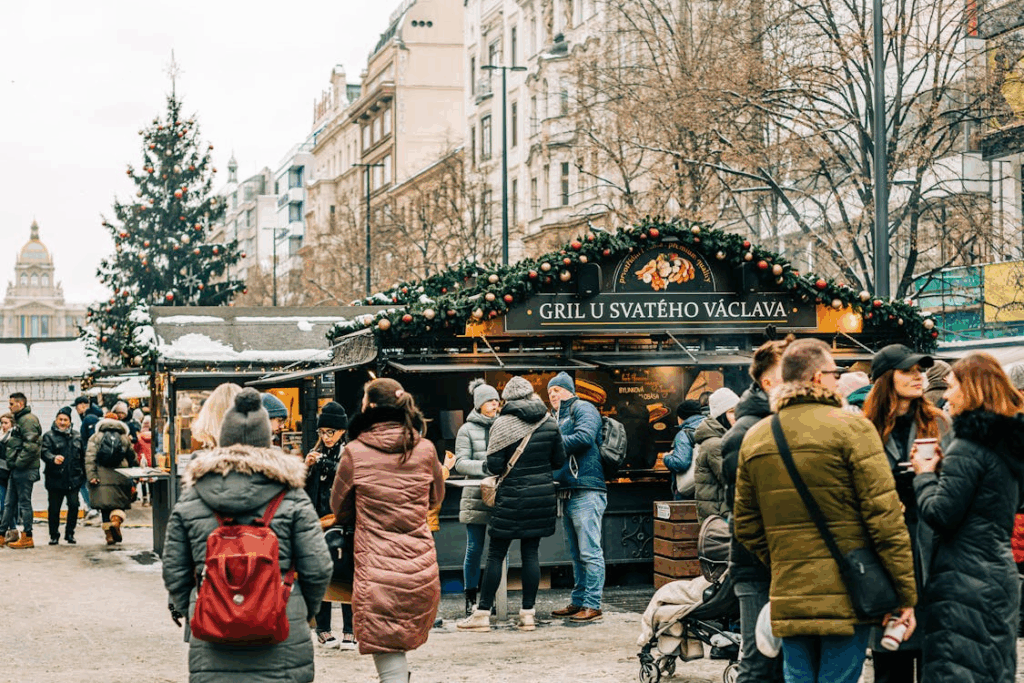
The world’s best walking cities combine compact design, pedestrian-friendly infrastructure, safety, public spaces, and neighborhoods rich with everyday life.
Some cities are best experienced through car windows. Others reveal themselves properly only on foot. Walkable cities allow travelers to move naturally between neighborhoods, cafés, museums, parks, and landmarks without constantly relying on taxis or public transit. They foster more spontaneous discoveries, a slower pace, and stronger connections to the local atmosphere.
For many travelers, walkability has become one of the most important qualities when choosing a destination. The most walkable cities in the world reduce stress, transportation costs, and planning fatigue while making travel feel more immersive and flexible.
Tokyo Balances Scale With Remarkable Accessibility
At first glance, Tokyo may seem too massive to qualify as walkable. In reality, the city functions as a collection of highly walkable neighborhoods connected by one of the world’s most efficient transportation systems.
Districts like Shibuya, Shinjuku, Asakusa, and Shimokitazawa each feel almost like separate small cities with their own personalities, shops, cafés, and rhythms.
Tokyo rewards wandering. Travelers constantly discover tiny restaurants, quiet shrines, side streets, and hidden local businesses simply by exploring on foot.
The city’s infrastructure also contributes heavily to the experience. Wide sidewalks, clear signage, safety, convenience stores, and reliable transit connections make moving through Tokyo remarkably manageable despite its enormous scale.
Walkability in Tokyo is less about crossing the entire city on foot and more about the richness of neighborhood-level exploration.
Copenhagen Prioritizes Human-Centered Design
Copenhagen consistently ranks among the world’s most pedestrian-friendly cities because the city actively prioritizes people over cars.
Wide bike lanes, public plazas, waterfront walkways, and compact urban design create an atmosphere that feels calm and accessible. Travelers can comfortably move between major attractions, restaurants, canals, and neighborhoods without complicated transportation planning.
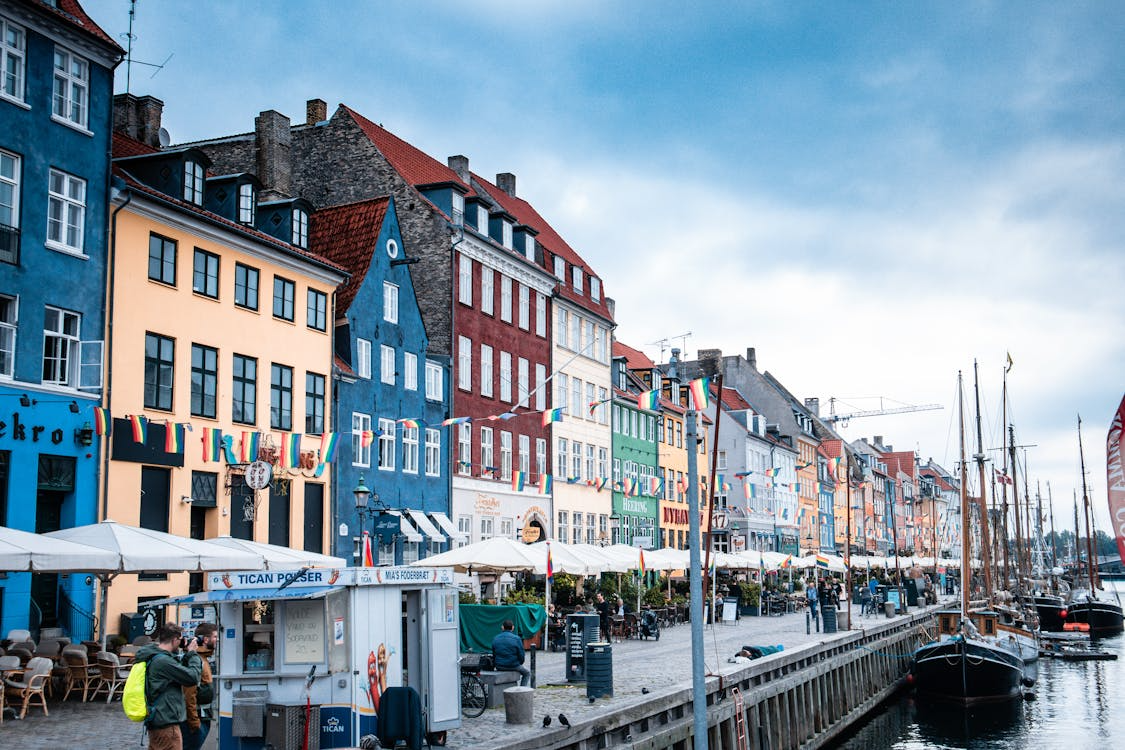
The city’s scale helps enormously. Many of Copenhagen’s most interesting areas, including Nyhavn, Nørrebro, and Frederiksberg, are connected naturally by enjoyable walking routes.
Public spaces also play a major role in the city’s appeal. Outdoor cafés, parks, harbor baths, and pedestrian streets encourage travelers to slow down and spend time observing daily life.
Copenhagen demonstrates how thoughtful urban design can transform the travel experience itself.
Florence Feels Built for Walking
Few cities reward walking as consistently as Florence.
The historic center remains relatively compact, allowing travelers to reach world-famous landmarks, museums, piazzas, churches, and restaurants within short walking distances. Cars feel secondary in much of the central city, which reinforces Florence’s immersive atmosphere.
Travelers can spend entire days wandering narrow streets lined with Renaissance architecture, artisan shops, and small cafés without needing public transit at all.
The city’s manageable scale also reduces travel fatigue. Visitors often accomplish far more sightseeing while feeling less rushed compared to larger European capitals.
Florence works especially well for travelers who enjoy slower, unstructured exploration rather than rigid itineraries.
The city’s beauty also changes throughout the day. Early mornings and evenings reveal a dramatically different atmosphere after daytime crowds thin.
Barcelona Combines Neighborhood Energy With Coastal Access
Barcelona offers one of Europe’s most dynamic walking experiences thanks to its diverse neighborhoods and an outdoor-oriented culture.
The Gothic Quarter, El Born, Eixample, and Gràcia each provide distinct atmospheres within relatively proximity. Travelers can move gradually between historic streets, markets, architecture, beaches, and nightlife simply by walking.
Wide boulevards and pedestrian-friendly public spaces make the city feel highly navigable despite its size.
Barcelona’s urban design also encourages lingering. Outdoor dining, plazas, beach promenades, and public gathering spaces naturally slow the pace of travel.
The city’s blend of architecture, food culture, and walkability creates a highly sensory travel experience.
Travelers should remain aware of pickpocketing in crowded tourist zones, especially around major attractions and transit hubs.
Explore The Best Cities for Art and Museum Lovers for walkable culture stops.
Walkable Cities Change How Travelers Experience Places
Walkability affects more than transportation convenience. It fundamentally changes how travelers connect with destinations.
Travelers moving on foot notice details they would miss inside taxis or rideshares: local conversations, hidden cafés, changing architecture, neighborhood rhythms, street music, and small moments of daily life.
Walking also creates more flexibility. Travelers can adjust plans spontaneously, stop unexpectedly, or wander without strict schedules.
Cities designed around pedestrians often feel more emotionally memorable because they encourage immersion instead of constant logistical management.
This is one reason many travelers increasingly prioritize compact, walkable destinations over sprawling cities heavily dependent on cars.
Smaller Walkable Cities Often Deliver the Best Balance
While famous global cities dominate most travel lists, smaller, walkable cities often offer the best balance of accessibility and atmosphere.
Places like Ljubljana, Porto, and Quebec City offer rich cultural experiences within highly manageable urban layouts.
These cities often reduce transportation stress while preserving strong local identity and charm.
As travelers increasingly seek slower, more immersive experiences, walkability has become less a convenience feature and more a core travel priority.
The world’s best walking cities do not simply help travelers move around more easily. They help travelers experience destinations more deeply.
Read The Safest Countries for Solo Female Travelers Right Now for safer travel picks.

Lily Phillips writes about travel through the lens of experience, atmosphere, and connection. She specializes in destination guides, wellness-focused travel, solo adventures, and slow travel itineraries designed to help readers see more by doing less. Her approach combines practical planning with a strong sense of place, encouraging travelers to move beyond checklist tourism and into more meaningful experiences.
Over the years, Lily has explored everything from coastal road trips and mountain towns to bustling global cities and quiet digital detox retreats. She’s especially drawn to destinations with strong local culture, walkable neighborhoods, and unforgettable food scenes. Whether she’s covering seasonal festivals, hidden beaches, or the best cities for solo travelers, her goal is always the same: helping readers travel with curiosity and confidence.