The world’s great cultural capitals feel alive with continuity between past and present. Tradition and modern life exist side by side rather than separately.
Some cities function primarily as economic or political centers. Others carry something more symbolic. Cultural capitals embody the identity, history, traditions, and emotional character of an entire country. They shape how outsiders imagine the nation and how citizens understand themselves.
These cultural capital cities are not always the largest or wealthiest places in their countries. What makes them important is the way they preserve language, cuisine, architecture, music, rituals, and collective memory. Travelers visiting cultural capitals often gain a deeper understanding of national identity than they would through ordinary sightseeing alone.
Kyoto Preserves Japan’s Historical Soul
Tokyo represents modern Japan globally, but Kyoto often represents the country’s cultural heart.
For more than a thousand years, Kyoto served as Japan’s imperial capital, and the city still preserves extraordinary concentrations of temples, gardens, shrines, traditional neighborhoods, and cultural practices.
Travelers encounter tea ceremonies, geisha districts, seasonal festivals, and centuries-old craftsmanship woven directly into everyday life.
Neighborhoods such as Gion and Higashiyama reveal architectural styles and pacing that are dramatically different from those of Japan’s larger urban centers.
The city also reflects Japan’s deep relationship with seasonality. Cherry blossoms, autumn foliage, and temple gardens shape both local life and visitor experience throughout the year.
Kyoto’s significance extends beyond tourism because many Japanese cultural traditions remain closely tied to the city itself.
Istanbul Bridges Civilizations and Continents
Few cities embody national and historical identity as powerfully as Istanbul.
Stretching across Europe and Asia, the city reflects layers of Byzantine, Ottoman, Islamic, and modern Turkish history simultaneously. Mosques, markets, palaces, ferry crossings, and neighborhood cafés all contribute to an atmosphere unlike anywhere else.
Hagia Sophia and the Grand Bazaar remain globally iconic, but the city’s cultural identity extends far beyond its landmarks alone.
Food culture plays a major role as well. Tea houses, kebab restaurants, street vendors, and family-run bakeries reveal daily rituals deeply connected to Turkish social life.
Istanbul’s energy can feel overwhelming initially, but travelers who slow down often discover remarkable warmth and complexity beneath the city’s intensity.
Florence Represents Italy’s Artistic Legacy
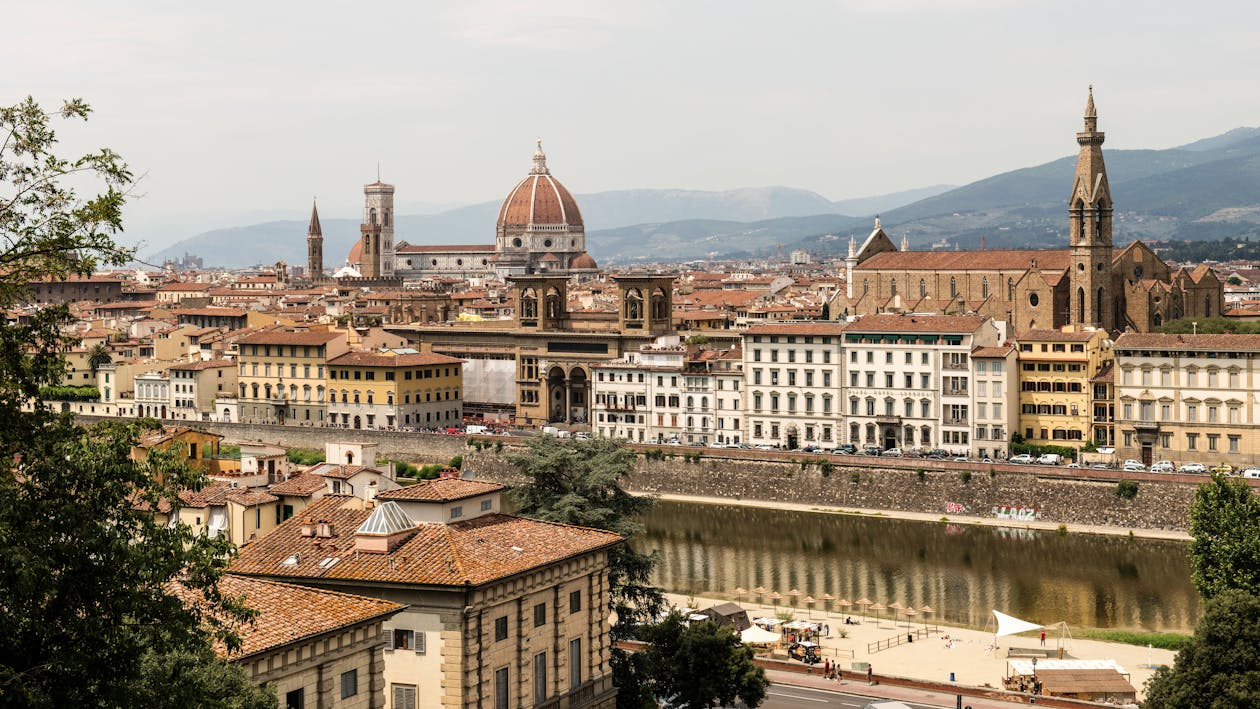
Rome may dominate Italy politically and historically, but Florence symbolizes the country’s artistic and intellectual identity for many travelers.
The Renaissance transformed Florence into one of the most influential cultural centers in Western history. That legacy remains visible throughout the city today.
Churches, museums, piazzas, bridges, and even ordinary streets reflect centuries of artistic achievement.
Beyond famous landmarks like the Uffizi Gallery and the Florence Cathedral, Florence also preserves strong traditions of craftsmanship, regional cuisine, and walkable urban life.
The city feels deeply connected to Italian ideas about beauty, design, food, and human-scale living.
Travelers often describe Florence less as a sightseeing destination and more as an atmosphere.
Marrakech Captures Moroccan Atmosphere and Tradition
Marrakech reflects Morocco’s sensory intensity more vividly than perhaps any other city in the country.
Markets overflow with spices, textiles, lanterns, ceramics, and handcrafted goods. Calls to prayer echo across the medina while rooftop cafés overlook ancient alleyways and courtyards.
The city combines Berber, Arab, African, and French influences into a layered cultural environment that feels both historical and deeply alive.
Food culture also defines Marrakech heavily. Tagines, mint tea, street food, and communal dining rituals shape daily life throughout the city.
Unlike destinations where culture feels curated primarily for tourism, Marrakech often feels immersive and active regardless of visitor presence.
Travelers willing to embrace the city’s sensory intensity frequently find it unforgettable.
Explore Best Food Cities in the World (and What to Eat There) for culture through cuisine.
Cultural Capitals Reveal National Character Through Daily Life
The most meaningful cultural experiences often happen outside major landmarks.
Watching daily routines, eating local food, hearing regional music, observing public spaces, and moving through neighborhoods gradually reveal how a country understands itself.
Cultural capitals concentrate these experiences more intensely because traditions remain especially visible there.
These cities also help travelers move beyond stereotypes. Countries often appear far more nuanced and internally diverse once travelers experience their cultural centers directly.
This deeper understanding explains why many travelers increasingly prioritize slower, culturally focused travel instead of checklist tourism alone.
Some Cultural Capitals Are Unexpected
Interestingly, a country’s cultural capital is not always its official capital city.
Places like Oaxaca, Lyon, and Cusco often feel more culturally symbolic than larger metropolitan centers because they preserve language, food, traditions, and historical continuity.
Smaller cultural capitals frequently allow travelers to connect more directly with local identity without the distractions of massive globalized urban environments.
The world’s great cultural capitals do more than entertain visitors. They explain nations through atmosphere, memory, and everyday life.
For travelers seeking understanding rather than just sightseeing, these cities often become the most meaningful destinations of all.
Read Europe’s Most Beautiful Small Cities You’ve Never Heard Of for lesser-known cultural destinations.

Lily Phillips writes about travel through the lens of experience, atmosphere, and connection. She specializes in destination guides, wellness-focused travel, solo adventures, and slow travel itineraries designed to help readers see more by doing less. Her approach combines practical planning with a strong sense of place, encouraging travelers to move beyond checklist tourism and into more meaningful experiences.
Over the years, Lily has explored everything from coastal road trips and mountain towns to bustling global cities and quiet digital detox retreats. She’s especially drawn to destinations with strong local culture, walkable neighborhoods, and unforgettable food scenes. Whether she’s covering seasonal festivals, hidden beaches, or the best cities for solo travelers, her goal is always the same: helping readers travel with curiosity and confidence.