Some trips are built around places. Others are built around moments.
Planning travel around a festival changes the experience entirely. You are not just visiting a destination, you are stepping into something already in motion. Music fills the streets, traditions take over entire neighborhoods, and everyday life shifts into something more vibrant and collective.
In 2026, festival travel continues to grow, especially as more travelers look for experiences that feel immersive rather than observational. The key is choosing events that offer more than entertainment. The best ones connect you to a place and its culture in a way that lasts long after the trip ends.
Winter and Early Spring: Atmosphere and Contrast
The first months of the year offer a mix of dramatic landscapes and cultural depth.
In northern China, the Harbin Ice and Snow Festival transforms an already cold city into something surreal. Massive ice structures rise like temporary cities, illuminated at night in shifting colors. It is as much about the scale as it is about the atmosphere, and it remains one of the most visually striking winter events in the world.
Further west, Salzburg’s Easter Festival brings a different kind of experience. Built around classical music and opera, it draws world-class performers and a more intimate audience. It is quieter than many large festivals, but that is part of the appeal.
For travelers who prefer something more active, events like Snowbombing in Austria blend ski culture with music. Days are spent on the slopes, while nights shift into live sets and late gatherings. It is a very different kind of winter trip, one that balances movement with celebration.
Spring: Color, Energy, and Big Crowds
As the weather warms, festivals move outdoors and take on a different energy.
In California, Coachella continues to set the tone for large-scale music festivals. It is not just about the lineup. The setting, the design, and the mix of global culture make it feel like a destination in its own right. It is also one of the more crowded and expensive options, which means planning ahead is essential.
On a smaller scale, events like the Tulip Time Festival in Michigan offer a more relaxed experience. Millions of blooms transform the town into something almost cinematic, with a focus on heritage, local traditions, and seasonal change.
In Australia, the Adelaide Fringe stretches across weeks rather than days. It turns the city into an open stage, with performances ranging from comedy to experimental theater. The scale is large, but the experience still feels approachable, especially for travelers who want to move between events at their own pace.
Summer: Music, Culture, and Long Days
Summer is peak festival season, particularly across Europe.
Glastonbury remains one of the most iconic music festivals in the world. It is known as much for its atmosphere as for its lineup. Mud, crowds, and unpredictable weather are part of the experience, but so is the sense of history. For many travelers, it is a once-in-a-lifetime event.
In Belgium, Gentse Feesten offers a different approach. Spread across the city, it blends street theater, live music, and public celebrations over the course of more than a week. Much of it is free, which makes it one of the more accessible major festivals in Europe.
Events like Africa Oyé in the UK highlight how festivals can also serve as cultural bridges. Focused on African and Caribbean music, it brings together communities in a way that feels both local and global at the same time.
Read More: Digital Nomad Starter Kit: Planning Long-Term Stays Abroad
Fall: Tradition and Seasonal Rituals
As the year shifts, festivals take on a more traditional tone.
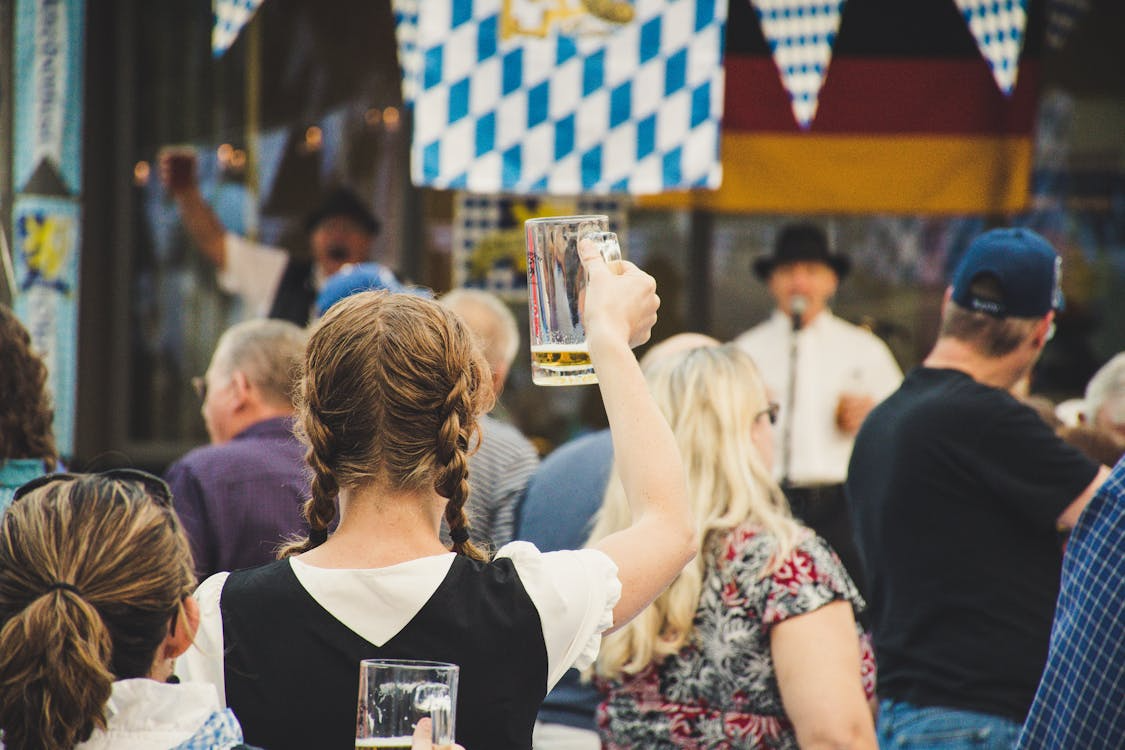
Oktoberfest in Munich remains one of the most recognizable events in the world. It is easy to focus on the beer, but the festival is rooted in Bavarian culture, from food to music to traditional dress. It is large, crowded, and highly organized, which makes timing and reservations especially important.
In New Mexico, the Albuquerque International Balloon Fiesta offers something entirely different. Hundreds of balloons rise at once, turning the sky into a moving landscape of color. It is quieter than many festivals, but no less memorable.
In Mexico, Día de los Muertos is not a spectacle in the traditional sense. It is a deeply meaningful cultural event centered on remembrance. Cities like Oaxaca are known for their celebrations, where altars, processions, and community gatherings create an experience that feels both personal and shared.
Across parts of Asia, the Mid-Autumn Festival brings a more reflective atmosphere. Lanterns, mooncakes, and evening gatherings mark the season, offering a slower, more intimate kind of celebration.
Choosing the Right Festival for Your Trip
Not every festival fits every traveler.
Some are large and high-energy, built around music, crowds, and late nights. Others are quieter, rooted in tradition or tied to a specific season. The key is matching the experience to how you want to travel.
It also helps to plan around the event, not just attend it. Booking accommodations early, understanding local transportation, and leaving space in your schedule all make a difference.
Festivals can be intense. Building in time before or after the event allows you to experience the destination at a more relaxed pace.
Travel That Feels Like a Moment
The best festivals do more than entertain. They create a sense of time and place that is hard to replicate in everyday travel.
You are not just visiting a city. You are stepping into a moment that belongs to that place, shaped by its culture, its people, and its traditions.
In 2026, that kind of travel is what many people are looking for. Not just where to go, but when to be there.
Read More: Traveling with Kids: Sanity-Saving Tips for Every Age

Lily Phillips writes about travel through the lens of experience, atmosphere, and connection. She specializes in destination guides, wellness-focused travel, solo adventures, and slow travel itineraries designed to help readers see more by doing less. Her approach combines practical planning with a strong sense of place, encouraging travelers to move beyond checklist tourism and into more meaningful experiences.
Over the years, Lily has explored everything from coastal road trips and mountain towns to bustling global cities and quiet digital detox retreats. She’s especially drawn to destinations with strong local culture, walkable neighborhoods, and unforgettable food scenes. Whether she’s covering seasonal festivals, hidden beaches, or the best cities for solo travelers, her goal is always the same: helping readers travel with curiosity and confidence.